Building a Strong Core
Running is a core workout in disguise. Every time you run, your abdominal and back muscles work overtime to keep your spine stabilized and your body upright. This improves your core strength translating to better posture throughout the day, helping you stand taller and avoiding slouching.
Increased Flexibility
Tight hamstrings and a stiff back are enemies of good posture. Running stretches and loosens these muscles, allowing for a wider range of motion. Increased flexibility allows your body to move more naturally and efficiently, contributing to better posture.
Body Awareness on the Go
Running like most other physical activities requires good body awareness. You need to be mindful of your form to avoid injury during workouts and maximize your effort. This focus on your body’s position translates to a heightened awareness during everyday activities. Naturally, you’ll start noticing your posture and making adjustments to stand taller and sit straighter.
Weight Management Bonus
Running can help you maintain a healthy weight, which can indirectly improve posture. Excess weight pulls on your joints and muscles, hence slouching. Running helps you avoid this strain and promotes a more natural upright posture by keeping your weight in check.
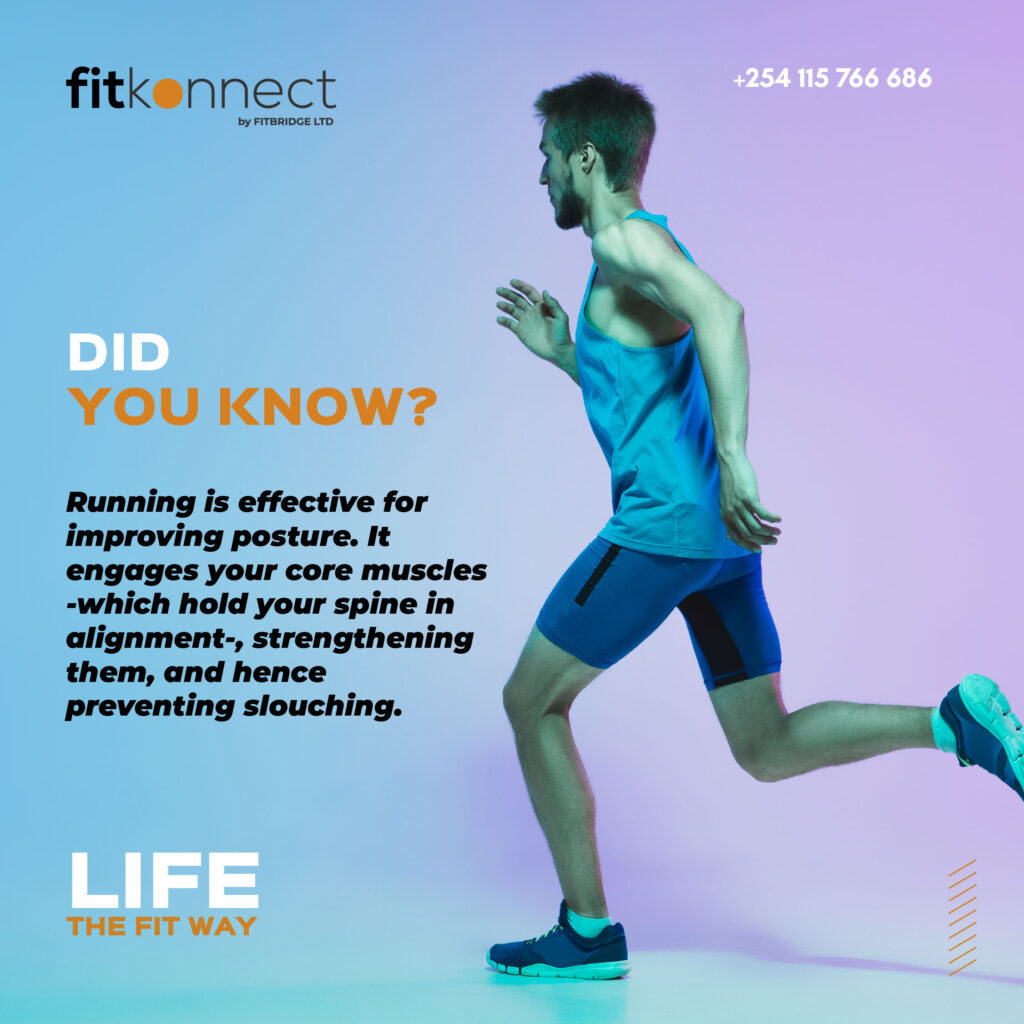
Run Smart, Stand Tall:
Proper running form is key to reaping the posture-improving benefits. Here are some tips:
- Head Up, Eyes Forward: Avoid the downward gaze! Looking down can hunch your shoulders and neck. Keep your head held high and focus on the horizon.
- Straight Spine, Strong Core: Imagine a string pulling you up from the crown of your head. Engage your core muscles to maintain a neutral spine alignment.
- Relaxed Shoulders: Don’t tense up! Keep your shoulders down and relaxed, away from your ears.
- Natural Arm Swing: Let your arms swing freely at your sides. Avoid crossing them in front of your body.
New Runner? Get Guidance:
If you’re just starting your running journey, consider consulting us for a coach or trainer. They can help you develop proper form, ensure you’re running safely, and maximize the posture-improving benefits of running.
Running isn’t the silver bullet for all posture problems, but it is powerful in strengthening your core, improving flexibility, and increasing body awareness – all of which contribute to better posture and a more confident stride.
So lace up your shoes, hit the pavement, and run your way to a taller, healthier you!
If you found this interesting then you might want to read how to stay active at your desk.
We can help you find a coach or trainer near you.
Call +254 115 766 686 or Email: go@fitkonnect.com and we’ll help you out.
]]>To prevent exercise-related injuries and ensure a safe and enjoyable exercise experience, it’s crucial to implement preventive measures and manage any injuries that do occur effectively.
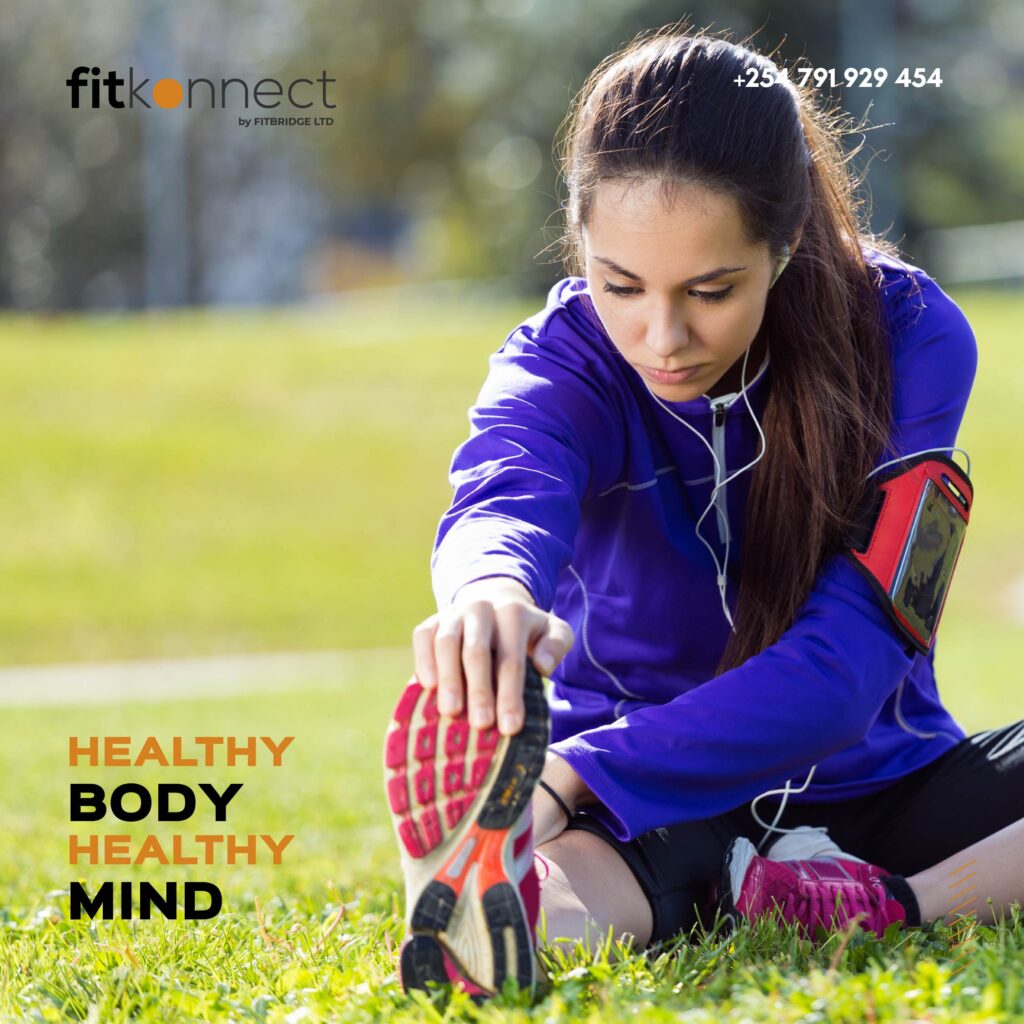
Preventing Exercise-Related Injuries
- Warm Up and Cool Down: Always begin your workout with a thorough warm-up to prepare your muscles for activity and prevent injuries. Similarly, cool down after your workout to gradually bring your heart rate down and allow your muscles to recover.
- Proper Form and Technique: Maintaining proper form and technique is essential for preventing injuries. Seek guidance from a certified personal trainer or instructor to ensure you’re performing exercises correctly.
- Listen to Your Body: Pay attention to any pain or discomfort you experience during your workout. If something hurts, stop the activity and assess the situation. Pushing through pain can lead to further injury.
- Gradual Progression: Don’t rush into intense exercise routines. Gradually increase the intensity, duration, and frequency of your workouts to allow your body to adapt and reduce the risk of injury.
- Rest and Recovery: Adequate rest and recovery are crucial for muscle repair and growth. Schedule rest days into your routine and allow your body to recuperate before your next workout.
- Stay Hydrated: Proper hydration is essential for overall health and injury prevention. Drink plenty of water before, during, and after your workouts to maintain fluid balance and support muscle function.
- Proper Footwear: Choose appropriate footwear for your specific activity. Ill-fitting or poorly designed shoes can increase the risk of foot and ankle injuries.
- Strengthening Exercises: Incorporate strengthening exercises into your routine to build muscle strength and support, reducing the likelihood of injuries.
Managing Exercise-Related Injuries
- Rest and Immobilization: If you experience an injury, rest is essential to allow healing. Immobilize the injured area if necessary to prevent further damage.
- Ice Therapy: Apply ice packs to the injured area to reduce inflammation and pain. Use ice for 15-20 minutes at a time, with breaks in between.
- Compression: Use compression bandages or wraps to support the injured area and reduce swelling.
- Elevation: Elevate the injured area above the level of your heart to promote fluid drainage and reduce swelling.
- Pain Management: Over-the-counter pain relievers such as acetaminophen or ibuprofen can help manage pain and inflammation. Always consult your doctor if pain persists or worsens.
- Seek Professional Advice: If the injury is severe or doesn’t improve with home care, consult a healthcare professional for proper diagnosis and treatment. They may recommend physical therapy, rehabilitation exercises, or other interventions.

Remember, prevention is always better than cure. By following these preventive measures and managing any injuries promptly and effectively, you can minimize the risk of exercise-related injuries and continue enjoying the benefits of physical activity.
Want to know how to prevent a side stitch? Check out this blog to find out the causes, treatment and prevention techniques.
References:
- American Academy of Orthopaedic Surgeons. (2023, August 15). Preventing Sports and Exercise Injuries. Retrieved from: https://orthoinfo.aaos.org/en/staying-healthy/sports-injury-prevention-for-baby-boomers/
- Mayo Clinic. (2023, July 11). Exercise injuries: First aid. Retrieved from: https://newsnetwork.mayoclinic.org/discussion/mayo-clinic-q-and-a-help-with-sports-injuries/
Focus on your streamline
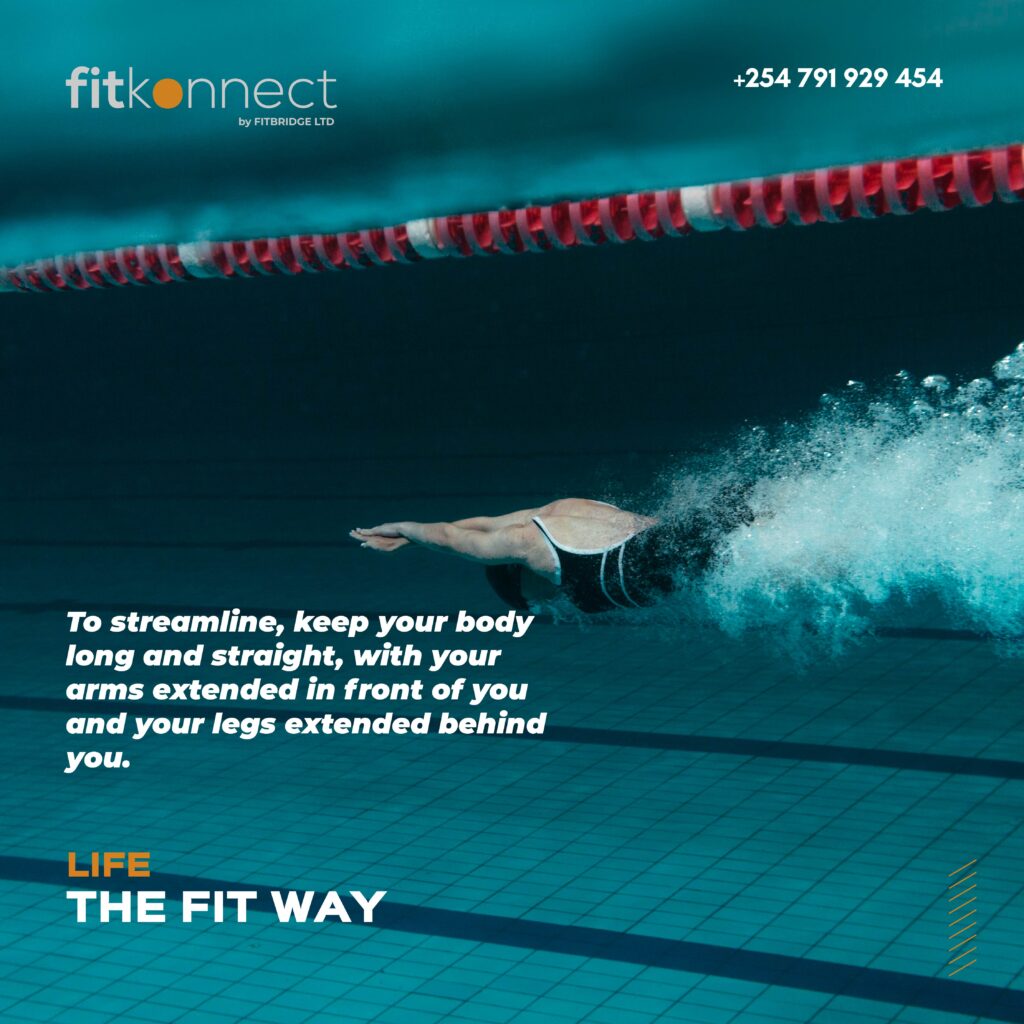
Your streamline is your body position in the water. It’s important to have a good streamline to reduce drag and swim faster. To streamline, keep your body long and straight, with your arms extended in front of you and your legs extended behind you.
Kick your legs efficiently
Your legs generate a lot of power when you swim, so it’s important to kick efficiently. To kick efficiently, keep your legs straight and kick from your hips. Avoid as much as possible bending your knees or kicking from your knees down. For a better illustration see this clip.
Proper Stroke
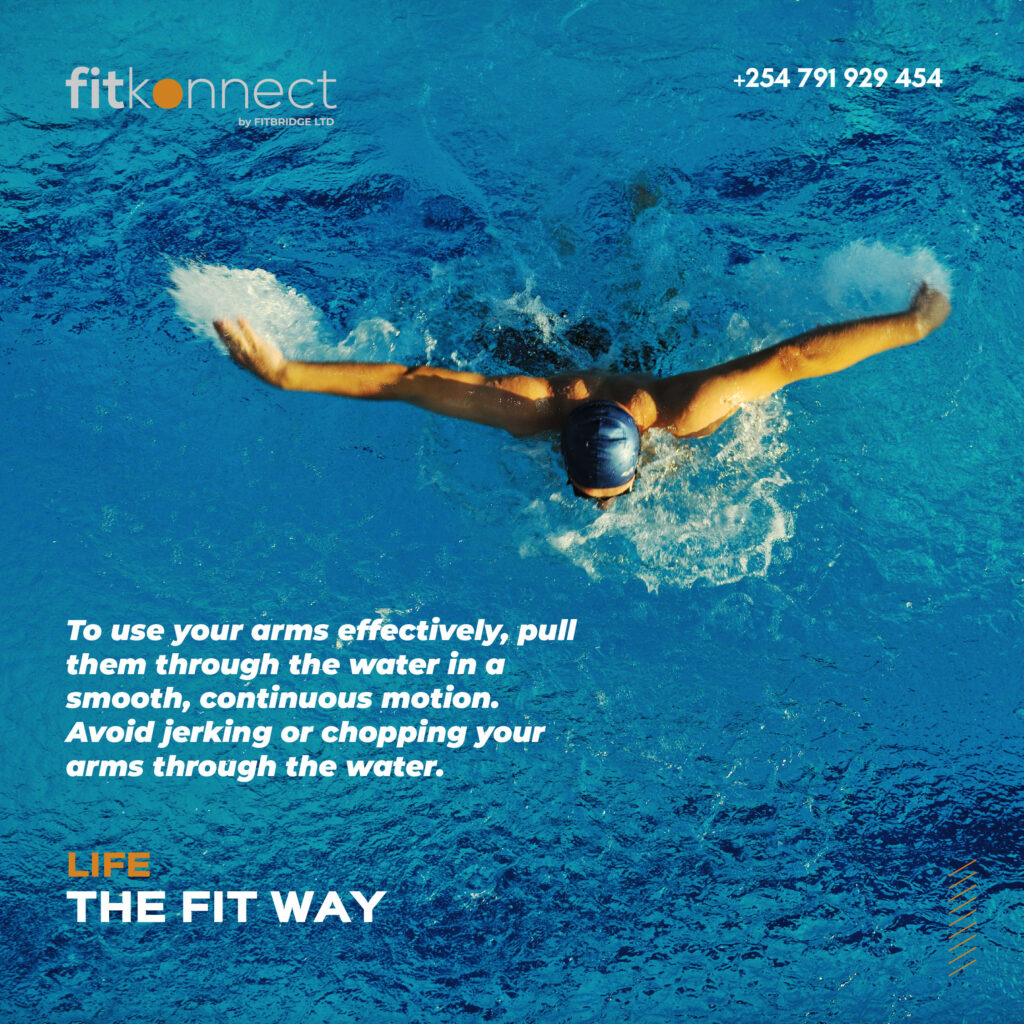
Use your arms efficiently to pull yourself through the water: Your arms also generate a lot of power when you swim. To use your arms effectively, pull them through the water in a smooth, continuous motion. Avoid jerking or chopping your arms through the water.
Breathe Properly
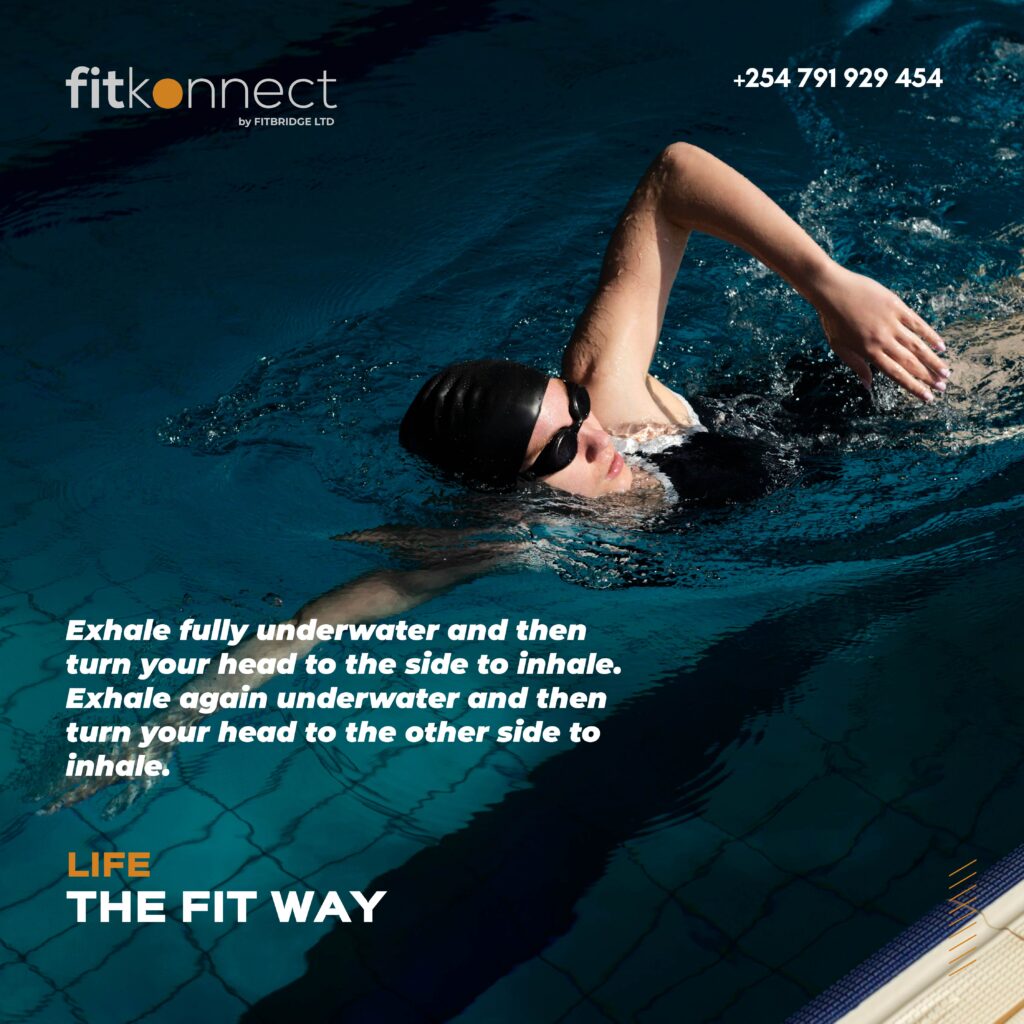
Breathing properly is essential for swimming faster. To breathe properly, exhale fully underwater and then turn your head to the side to inhale. Exhale again underwater and then turn your head to the other side to inhale. Repeat this cycle throughout your swim.
Practice Makes Perfect
Practice regularly: The more you practice swimming, the better you will become. Try to swim at least three times per week for 30 minutes each time.
Following these tips can help you to improve your swimming speed and technique. With regular practice, you will be swimming faster than ever in no time! Swimming is more than just a refreshing way to cool off on a hot day. It is a full-body workout that offers a myriad of health benefits. To read more on this see this blog.
]]>In this blog post, we will review and analyze the effectiveness of various fitness gadgets and wearables on the market, helping you make an informed decision about which device is right for you.
Types of fitness gadgets and wearables
There are a wide variety of fitness gadgets and wearables available on the market, each with its own unique features and capabilities. Some of the most common types of fitness gadgets and wearables include:
- Smartwatches: Smartwatches are wearable devices that can track a variety of fitness metrics, such as steps taken, heart rate, and calories burned. Some smartwatches also offer features such as GPS tracking, music playback, and mobile payments.
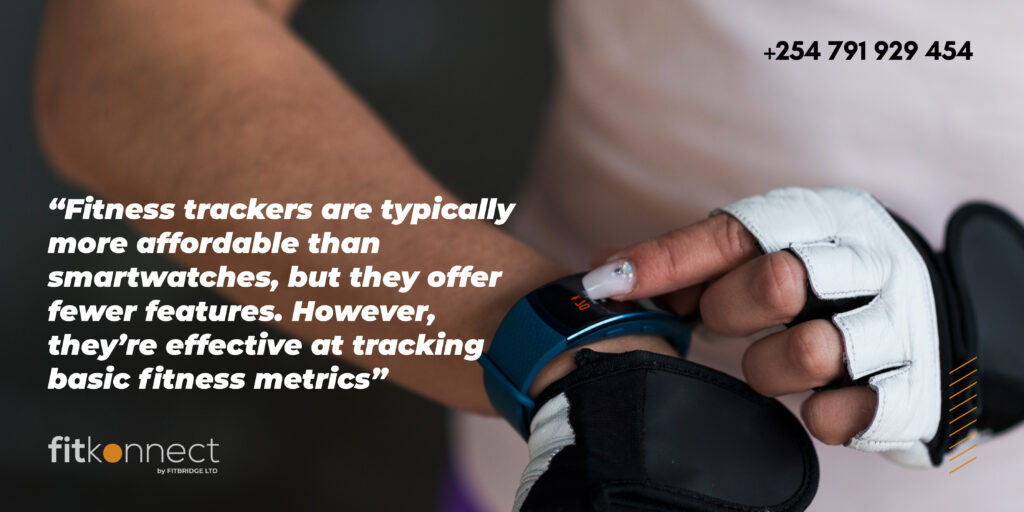
- Fitness trackers: Fitness trackers are typically more affordable than smartwatches, but they offer fewer features. However, fitness trackers can still be very effective at tracking basic fitness metrics such as steps taken, distance traveled, and calories burned.
- Heart rate monitors: Heart rate monitors track your heart rate throughout the day and during workouts. This information can help you to track your fitness progress and to ensure that you are working out at the correct intensity level.
- Activity trackers: Activity trackers are similar to fitness trackers, but they focus on tracking your overall activity level throughout the day. This includes tracking things like steps taken, distance traveled, and calories burned. Some activity trackers also offer features such as sleep tracking and stress monitoring.
Effectiveness of fitness gadgets and wearables
The effectiveness of fitness gadgets and wearables varies depending on the device and the individual user. However, research has shown that fitness gadgets and wearables can be effective at helping people to lose weight, increase their physical activity levels, and improve their overall health and fitness.
For example, a study published in the Journal of the American Medical Association found that people who wore fitness trackers for six months lost more weight and increased their physical activity levels more than those who did not wear fitness trackers.
Another study, published in the journal Obesity Facts, found that people who wore fitness trackers for one year were more likely to lose weight and keep it off than those who did not wear fitness trackers.
How to choose the right fitness gadget or wearable
When choosing a fitness gadget or wearable, there are a few things you should keep in mind:
- Your budget: Fitness gadgets and wearables can range in price from a few thousand shillings to several thousands. It is important to set a budget before you start shopping so that you do not overspend.
- Your fitness goals: What do you want to achieve with your fitness gadget or wearable? If you are looking to lose weight, you will need a device that can track your calories burned. If you are looking to improve your cardiovascular health, you will need a device that can track your heart rate.
- Your lifestyle: Consider your lifestyle when choosing a fitness gadget or wearable. If you are active all day long, you will need a device that can keep up with you. If you are not as active, you may be able to get away with a more basic device.
Why Choose a Name-Brand Fitness Wearable?
When it comes to fitness wearables, it is important to choose a reputable brand. Generic brands may be cheaper, but they often lack the features, support, and warranties of name brands.
Here are a few reasons why you should choose a name-brand fitness wearable:
- Accuracy: Name-brand fitness wearables are typically more accurate than generic brands. This is because name brands invest more in research and development to ensure that their products are accurate and reliable.
- Features: Name-brand fitness wearables often offer more features than generic brands. This may include features such as GPS tracking, heart rate monitoring, and sleep tracking.
- Support: Name-brand fitness wearables typically offer better support than generic brands. This means that you can get help from the manufacturer if you have a problem with the product.
- Warranties: Name-brand fitness wearables typically offer better warranties than generic brands. This means that you may be able to get the product repaired or replaced for free if it breaks.
When choosing a fitness wearable, it is important to consider your budget and your needs. If you are looking for a high-quality fitness wearable that is backed by a good warranty, it is best to choose a name brand.
Here are a few tips for choosing a name-brand fitness wearable:
- Read reviews: Read reviews from other consumers before you buy a fitness wearable. This can help you to determine whether or not the product is right for you.
- Compare prices: Compare prices from different retailers before you buy a fitness wearable. You can also look for coupons and discounts online.
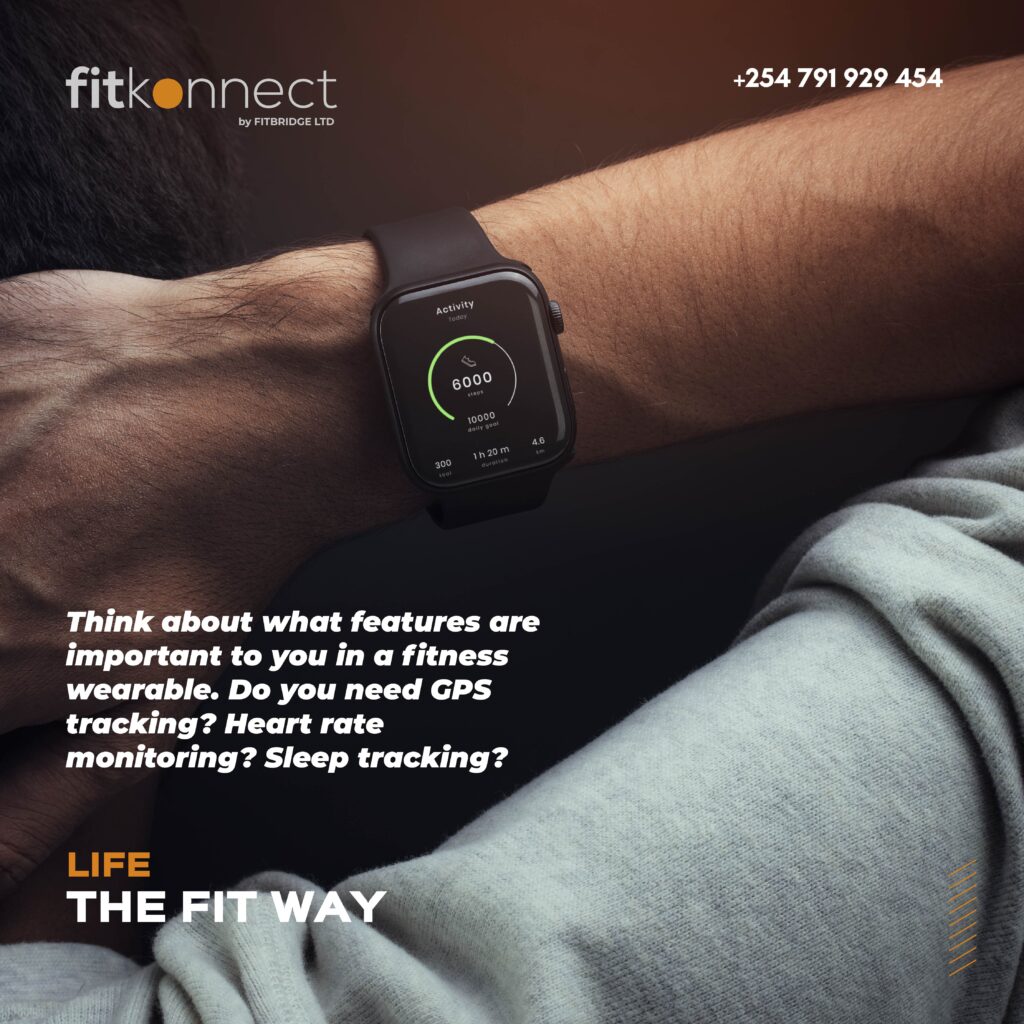
- Consider your needs: Think about what features are important to you in a fitness wearable. Do you need GPS tracking? Heart rate monitoring? Sleep tracking? Once you know what features you need, you can start narrowing down your choices.
By following these tips, you can choose a name-brand fitness wearable that is right for you and your budget.
Fitness gadgets and wearables can be effective tools for helping people to improve their health and fitness. However, it is important to choose the right device for your individual needs and goals.
If you are unsure which fitness gadget or wearable is right for you, talk to your doctor or a certified personal trainer. They can help you to choose a device that is right for you and your fitness goals.
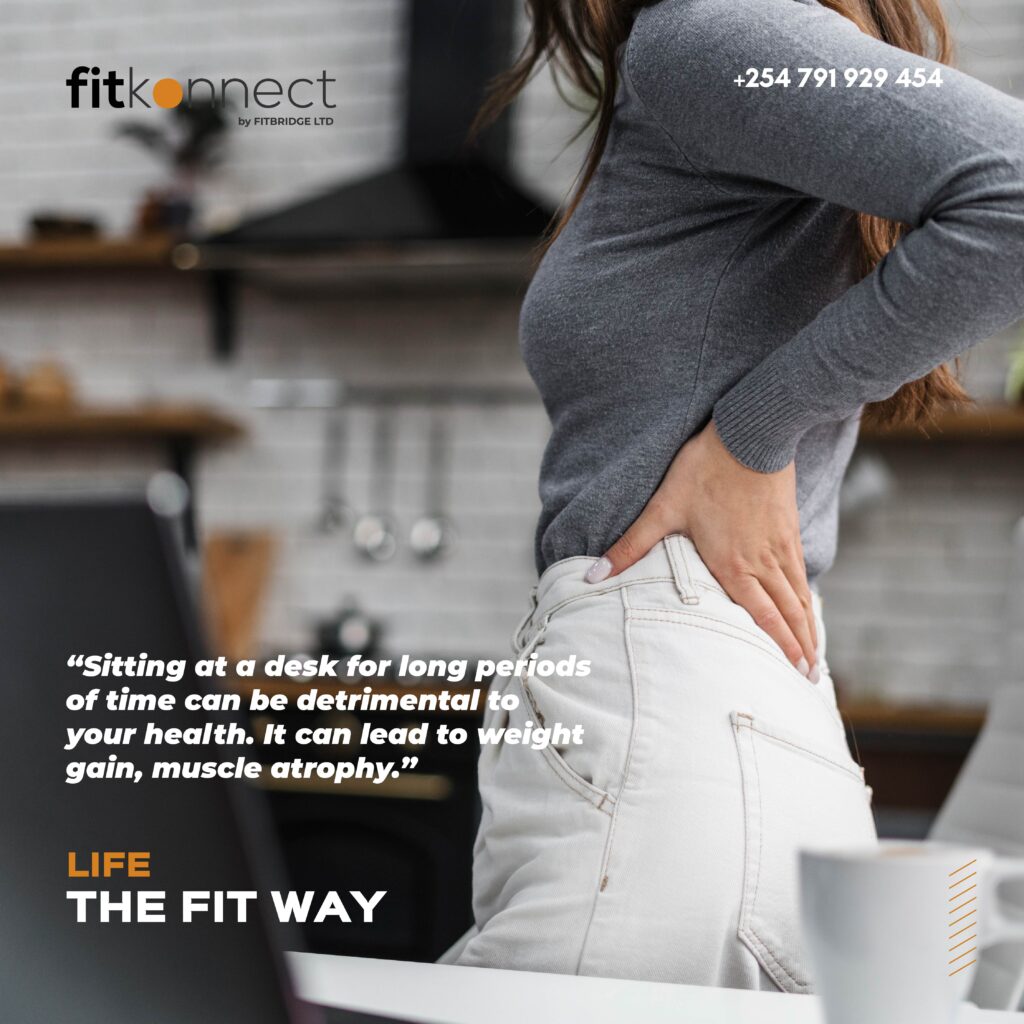
However, there are a number of things you can do to stay active and healthy even if you have a desk job. Here are a few tips:
Exercises
- Get up and move every 20-30 minutes. Stand up, walk around, stretch, or do some light exercises. You can also use a timer to remind yourself to move.
- Do desk exercises. There are a number of exercises you can do at your desk without getting up. Some examples include:
- Arm circles: Make small circles with your arms in both directions.
- Leg raises: Extend one leg out in front of you and raise it up towards your chest. Hold for a few seconds and then lower. Repeat with the other leg.
- Chair squats: Stand up from your chair and then slowly lower yourself back down. Repeat 10-15 times.
- Desk push-ups: Place your hands on the edge of your desk and lower your chest down until it is touching the desk. Then, push yourself back up to the starting position.
- Desk rows: Place a resistance band around the legs of your chair and hold the ends of the band in each hand. Sit in your chair and row your arms towards your chest. Then, extend your arms back to the starting position.
- Use a standing desk. A standing desk allows you to alternate between sitting and standing throughout the day. This can help to reduce the amount of time you spend sitting and improve your overall fitness levels.
Stretches
- Neck stretch: Tilt your head to the right side and bring your ear towards your shoulder. Hold for a few seconds and then repeat on the other side.
- Shoulder stretch: Reach your right arm across your body and place your hand on your left shoulder. Gently pull your right arm towards your chest and hold for a few seconds. Repeat on the other side.
- Back stretch: Sit up straight in your chair and place your hands on your lower back. Gently arch your back and hold for a few seconds.
- Hamstring stretch: Extend one leg out in front of you and reach towards your toes. Hold for a few seconds and then repeat with the other leg.
- Chest stretch: Place your hands behind your back and interlock your fingers. Gently pull your shoulders back and down. Hold for a few seconds.
Ergonomic advice
- Adjust your chair and desk height. Your feet should be flat on the floor and your thighs should be parallel to the ground. Your elbows should be bent at a 90-degree angle and your wrists should be straight.
- Use a keyboard tray and mouse pad. This will help to keep your wrists in a neutral position.
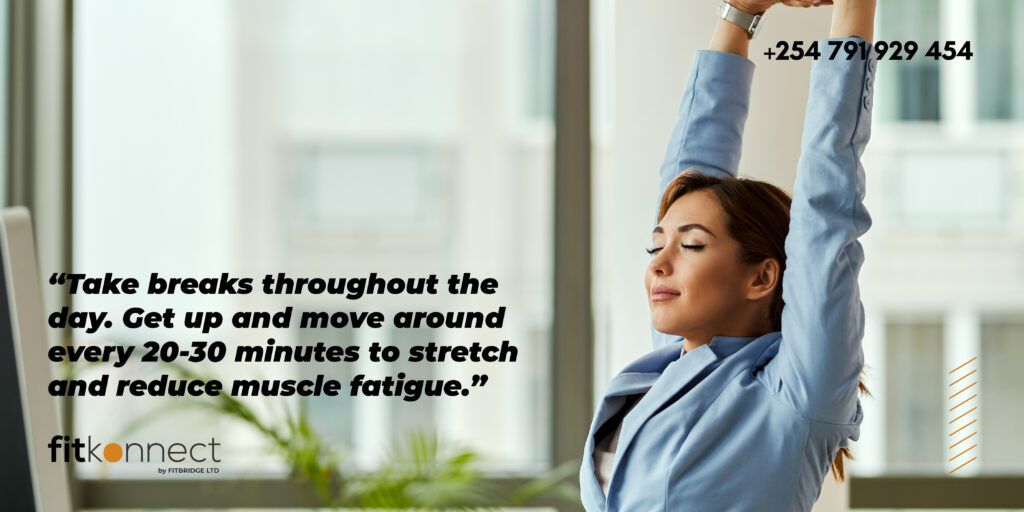
- Take breaks throughout the day. Get up and move around every 20-30 minutes to stretch and reduce muscle fatigue.
In addition to the above tips, here are some other ways to stay active at the desk:
- Use a fitness tracker. A fitness tracker can help you track your steps, calories burned, and other activity metrics. This can motivate you to move more throughout the day.
- Take the stairs instead of the elevator. This is a simple way to add more activity to your day.
- Park further away from your workplace. This will give you a chance to walk a little bit more each day.
- Join a walking or running club. This is a great way to get some exercise and meet new people.
- Consider working remotely. This can give you more flexibility to move around throughout the day.
By following these tips, you can stay active and healthy even if you have a desk job.
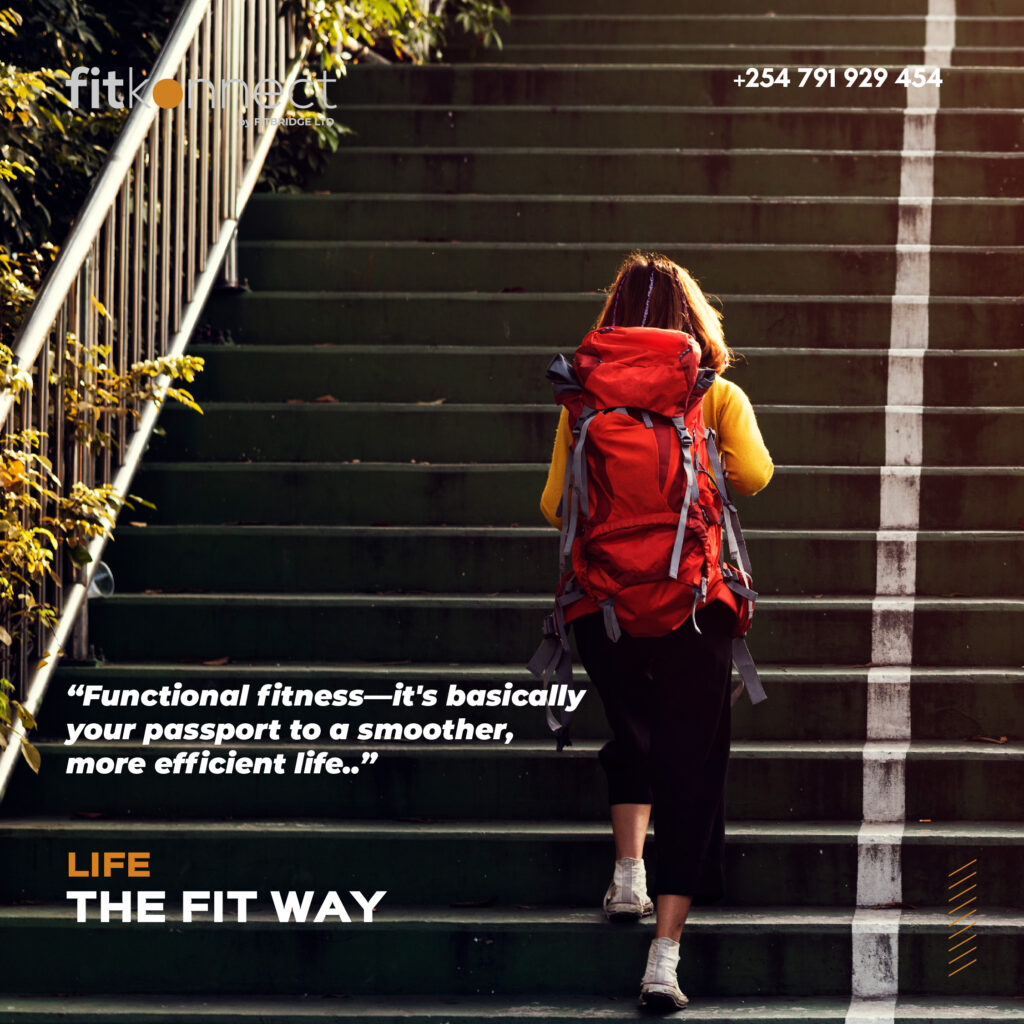
]]>Think about it. Have you ever struggled to carry your groceries up a few flights of stairs? Or felt winded after a game of tag with your kids? That’s where functional fitness swoops in like a superhero, making everyday tasks feel like a breeze.
Why Functional Fitness Matters
Now, why should you care about functional fitness? Well, my friends, it’s all about quality of life. Functional fitness helps you move better, with less effort and discomfort, so you can fully enjoy everything life throws your way.
Imagine being able to bend down and tie your shoes without groaning in agony or playing a game of basketball with your buddies without feeling like you just ran a marathon. That’s the magic of functional fitness, and it’s accessible to everyone, regardless of your current fitness level.
Let’s Break a Sweat
So, how do you get started on this journey to a more functional you? Well, it’s time to roll up those sleeves and break a sweat with some functional fitness workouts. These exercises are designed to mimic the movements you do in your daily life, making you stronger and more agile when it counts.
1. Squat It Out: The humble squat is your best friend here. It mimics the motion of sitting down and standing up, something you do countless times every day. Start with bodyweight squats and gradually add weight for an extra challenge.
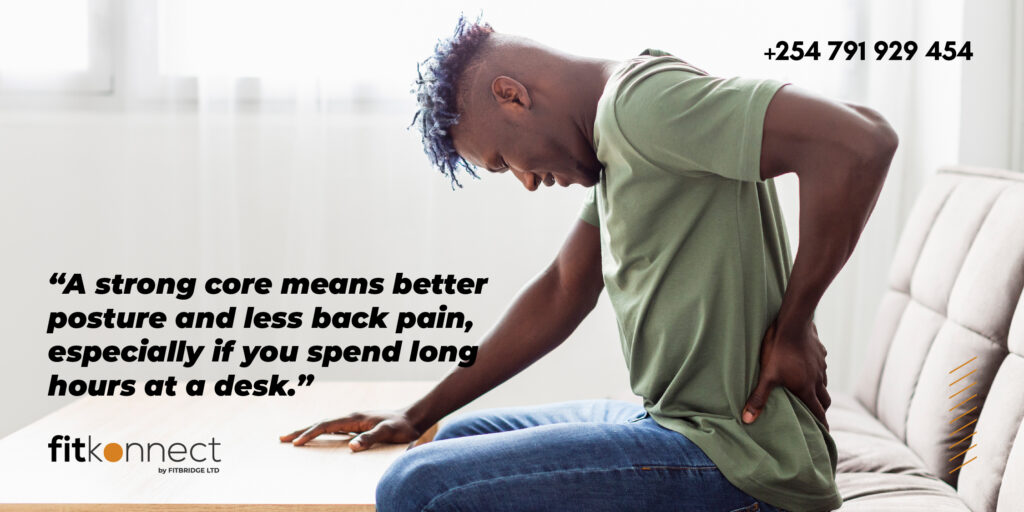
2. Plank for Core Power: Planks might look deceptively simple, but they are the ultimate core strengthener. A strong core means better posture and less back pain, especially if you spend long hours at a desk.
3. Lunge into Balance: Lunges are fantastic for improving balance and leg strength. They’re like a mini hurdle for your daily activities.
4. Push-Up for Upper Body Love: Push-ups aren’t just for showing off. They build upper body strength, which comes in handy when you need to push a heavy door or hoist your suitcase into your boot.
5. Deadlifts for Functional Strength: Don’t be intimidated by deadlifts; they’re all about lifting correctly. This skill can help prevent back injuries when you’re handling heavy objects or assisting a friend with their furniture-moving endeavours.
Embrace the Functional You
In a nutshell, functional fitness isn’t about complicated moves or following the latest fitness fad. It’s about training your body to make everyday life easier and more enjoyable.
Start small, stay consistent, and watch as your newfound strength and flexibility transform you into a functional being. Remember, it’s not just about how you look; it’s about how you feel and what you can do.
Conquer the world, one squat at a time! Your future self will thank you for it, and your everyday tasks will feel like a piece of cake.
In the quest for fitness, we often focus on exercise routines, nutrition plans, and lifestyle choices. Yet, there’s a silent, rejuvenating force that plays a crucial role in our journey toward peak performance and recovery: sleep. Understanding the intricate relationship between sleep and exercise unveils a powerful secret that can transform your fitness outcomes.
The Sleep-Exercise Connection: Fuelling Your Body’s Recovery
1. Physical Repair: While we slumber, our bodies are hard at work. During deep sleep stages, tissues and muscles are repaired and grown. Adequate sleep allows the body to heal microtears that occur during exercise, helping you build strength and endurance more effectively.
2. Hormonal Balance: Sleep is essential for maintaining hormonal balance, particularly those related to growth and stress. Growth hormone, crucial for muscle development, is released primarily during deep sleep. In contrast, chronic sleep deprivation can lead to an increase in the stress hormone cortisol, which can hinder muscle growth and recovery. For more on happiness hormones and their effects on our well-being read here.
3. Energy Restoration: Sleep serves as a recharge for your energy reserves. It replenishes glycogen stores, the body’s primary source of energy during physical activity. A well-rested body has more energy to fuel workouts and recover afterward.
Performance Enhancement: Unleashing Your Athletic Potential
1. Cognitive Function: Sleep is not just for the body; it’s for the mind. A well-rested brain is more focused, alert, and capable of making quick decisions. This can translate to improved coordination, agility, and overall sports performance.
2. Endurance and Strength: Quality sleep enhances your ability to push through physical challenges. Athletes often report improved endurance and strength after prioritizing sleep in their training routines.
3. Reduced Injury Risk: Fatigue from sleep deprivation can lead to poor form and an increased risk of injuries. Sleep supports better body awareness and coordination, reducing the likelihood of workout-related accidents.
Optimal Recovery: The Nighttime Repair Crew
1. Inflammation Control: Sleep helps regulate the body’s inflammatory responses. This is crucial because intense exercise can induce inflammation. Adequate sleep ensures your body can manage this inflammation effectively, reducing post-workout soreness.
2. Muscle Recovery: Protein synthesis, the process that repairs and builds muscle, is elevated during deep sleep. This means that those hours of shut-eye are when your body is hard at work repairing and strengthening the muscles you’ve targeted during your workouts.
3. Psychological Recovery: Sleep is not just physical; it’s psychological too. It aids in stress reduction and emotional stability. A well-rested mind can handle the mental challenges of training, leading to better adherence and motivation.
Sleep Hygiene for Fitness Enthusiasts
1. Consistent Schedule: Go to bed and wake up at the same time every day, even on weekends. Consistency helps regulate your body’s internal clock.
2. Optimal Environment: Create a sleep-conducive environment. This includes a comfortable mattress and pillows, as well as a dark, cool room.
3. Limit Stimulants: Avoid caffeine and nicotine close to bedtime. These substances can interfere with sleep.
4. Limit Screen Time: The blue light emitted by phones, tablets, and computers can disrupt sleep patterns. Aim to reduce screen time at least an hour before bed. If you need to use your phone before bedtime consider turning on eye comfort mode or using blue light filters.
5. Relaxation Techniques: Develop a pre-sleep relaxation routine. This can include practices like meditation, deep breathing, or gentle stretching.
6. Moderate Evening Meals: Large meals and spicy foods can cause discomfort and disrupt sleep. Aim to finish eating at least two to three hours before bedtime.
Take away
Sleep is not a passive activity but an active process of restoration and rejuvenation, especially for those on a fitness journey. Prioritizing sleep can enhance physical performance, accelerate recovery, and elevate overall well-being. It’s the secret ingredient that can take your fitness results to the next level. So, let’s put sleep at the forefront of our fitness routines and unlock the full potential of our bodies and minds. 

 #SleepAndExercise #FitnessRecovery #PeakPerformance
Life is a juggling act, especially when you’re trying to balance the demands of work, family, and personal well-being. The elusive quest for that perfect balance is something many of us can relate to. But, with a strategic approach and a touch of determination, you can make fitness a seamless part of your busy life.
Prioritizing Fitness in a Hectic Schedule
Time for You
Set Clear Goals: Before diving into any fitness routine, take a moment to identify your goals. Knowing what you want to achieve helps you create a more focused and effective plan. Whether it’s shedding a few pounds, increasing your stamina, or simply feeling more energized, having a clear objective makes a world of difference.
Morning Rituals: If the thought of squeezing in a workout after a long day feels overwhelming, consider kickstarting your day with a morning workout. It’s a fantastic way to energize yourself and set a positive tone for the day ahead. Plus, you’ll have your workout completed, leaving you with a sense of accomplishment that can boost your mood and productivity.
Lunch Break Workouts: If mornings are too hectic, consider using your lunch break for a quick workout session. Many workplaces are now in proximity of gym facilities, whether it’s a company gym, a nearby park for a brisk walk, or a quiet corner for some stretching and bodyweight exercises. Not only will this break invigorate you, but it can also help improve focus and creativity for the rest of the day.
Family Bonding: For those with family commitments, involving your loved ones in your fitness routine can be a win-win situation. Go for a family hike on the weekends, play active games in the yard, or take leisurely evening walks together after dinner. Not only does this allow you to spend quality time with your family, but it also sets a positive example for your children by showing them the importance of staying active.
Mastering the Art of Time Management: Efficiency is Key
Prioritize Your Calendar: One of the most effective ways to ensure you make time for fitness is to schedule your workouts just like any other important appointment. Treat them with the same level of commitment as you would a meeting with your boss or a family gathering. Write them into your calendar, set reminders, and honour these appointments with yourself.
Time-Effective Workouts: With a busy schedule, shorter, high-intensity workouts can be your best friends. Consider incorporating High-Intensity Interval Training (HIIT) or Tabata workouts into your routine. These types of workouts are known for their efficiency and effectiveness. In as little as 20-30 minutes, you can get a full-body workout that torches calories, improves cardiovascular fitness, and builds strength.
Home Workouts: Investing in a few basic workout tools like resistance bands or dumbbells can open up a world of possibilities for home workouts. This eliminates the need for travel time to the gym, making it easier to fit workouts into your schedule. There are countless online resources, apps, and workout programs designed specifically for home fitness, allowing you to tailor your workouts to your preferences and time constraints.
Block Scheduling: Organizing your day into blocks of time can help maintain structure and focus. Dedicate specific blocks to work, family, and fitness. While flexibility is essential, having a rough schedule in place ensures you allocate time to what matters most to you. Block scheduling also prevents the temptation to blur the boundaries between work and personal time, helping you maintain a healthier work-life balance.
Making the Most of Your Workouts: Quality Over Quantity
Compound Exercises: When time is limited, focusing on compound exercises can maximize the efficiency of your workouts. Compound exercises are movements that engage multiple muscle groups simultaneously, making them highly effective for building strength and burning calories. Some excellent compound exercises include squats, deadlifts, push-ups, and pull-ups.
Mindful Workouts: In our fast-paced lives, it’s easy to rush through workouts, thinking about the million other things on your to-do list. However, practicing mindfulness during your workouts can make them more efficient and enjoyable. Rather than going through the motions, focus on the sensation of each movement, your breath, and the mind-muscle connection. This not only enhances the effectiveness of your workouts but also provides a mental break from the demands of your day.
Recovery Matters: While it might be tempting to push yourself to the limit every day, don’t neglect the importance of recovery. Proper sleep, adequate nutrition, and rest days are essential for overall fitness progress. Overtraining can lead to burnout, injuries, and decreased performance. Listen to your body and give it the rest it needs to come back stronger in your next workout.
Flexibility and Adaptability: Roll with the Punches
Be Kind to Yourself: Understand that there will be days when life gets in the way of your planned workout. Unexpected meetings, family emergencies, or simply feeling too tired can all be valid reasons to skip a workout. Instead of beating yourself up, practice self-compassion. Adapt and adjust your fitness routine as needed. Missing one workout is not the end of your fitness journey; consistency over the long term is what truly matters.
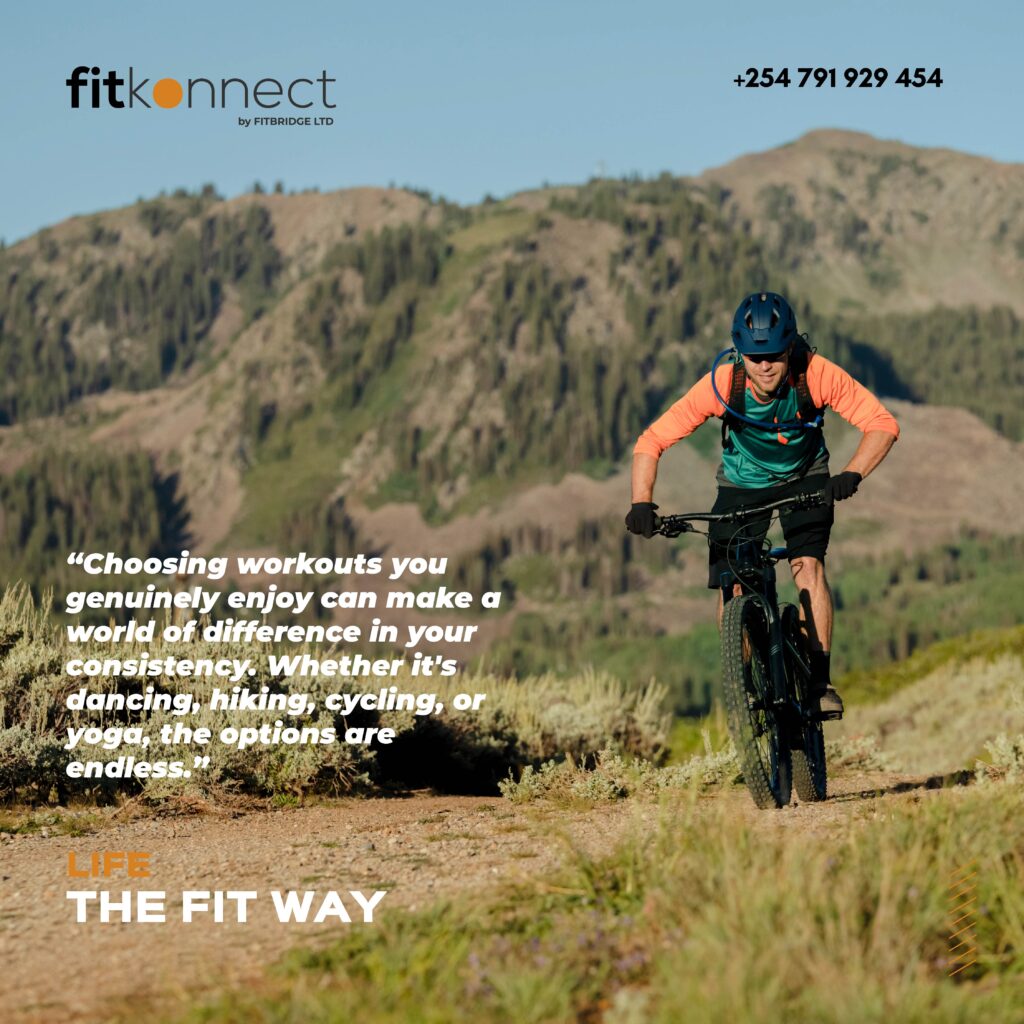
Keep it Fun: Choosing workouts you genuinely enjoy can make a world of difference in your consistency. If you love what you do, you’re more likely to stick with it. Explore various fitness activities until you find the ones that bring you joy. Whether it’s dancing, hiking, cycling, or yoga, the options are endless.
Review and Adjust: Periodically assess your schedule and fitness goals. Life is dynamic, and what works for you now may not be the best approach in the future. Adjust your routines as your life circumstances change. Be open to trying new things and exploring different workout modalities to keep your fitness journey fresh and exciting.
Balancing work, family, and fitness is indeed a challenge, but it’s one worth taking on. Your health and well-being are among your most valuable assets. By adopting time management strategies, setting clear goals, and embracing flexibility, you can not only find the balance you seek but also lead a more fulfilled and healthier life.
Remember, it’s not about having more time; it’s about making the most of the time you have. Start today, and let fitness become an integral part of your balanced, busy life. 

 #BalancingAct #WorkLifeFitness #HealthyHabits
The Mind-Body Harmony
Our minds and bodies are intimately connected, like best friends who share everything. When we exercise, we’re not only doing our bodies a favour but also giving our mental well-being a boost. The profound link between physical activity and mental health cannot be overstated.
Stress Be Gone
One of the most significant benefits of regular exercise is its remarkable ability to alleviate stress. When you engage in physical activity, your brain responds by releasing special chemicals known as endorphins. These endorphins act as natural mood lifters, reducing stress and promoting a sense of overall well-being. Moreover, exercise helps to lower the levels of stress hormones, like cortisol, in your body, which can leave you feeling more relaxed and in control.
Anxiety Tamer
For those battling anxiety, exercise can be a valuable tool in their arsenal. It provides an outlet for restlessness and worry, channelling excess energy into a productive and calming outlet. Exercise fosters relaxation and a sense of control, which can be incredibly empowering when faced with anxiety.
Fighting the Blues
Depression can often leave you feeling drained of energy and motivation. However, exercise can help counteract these symptoms. It boosts your energy levels and releases built-up tension, offering a sense of accomplishment and a shift towards a more positive outlook on life. Studies have even shown that regular exercise can be as effective as medication in managing mild to moderate depression.
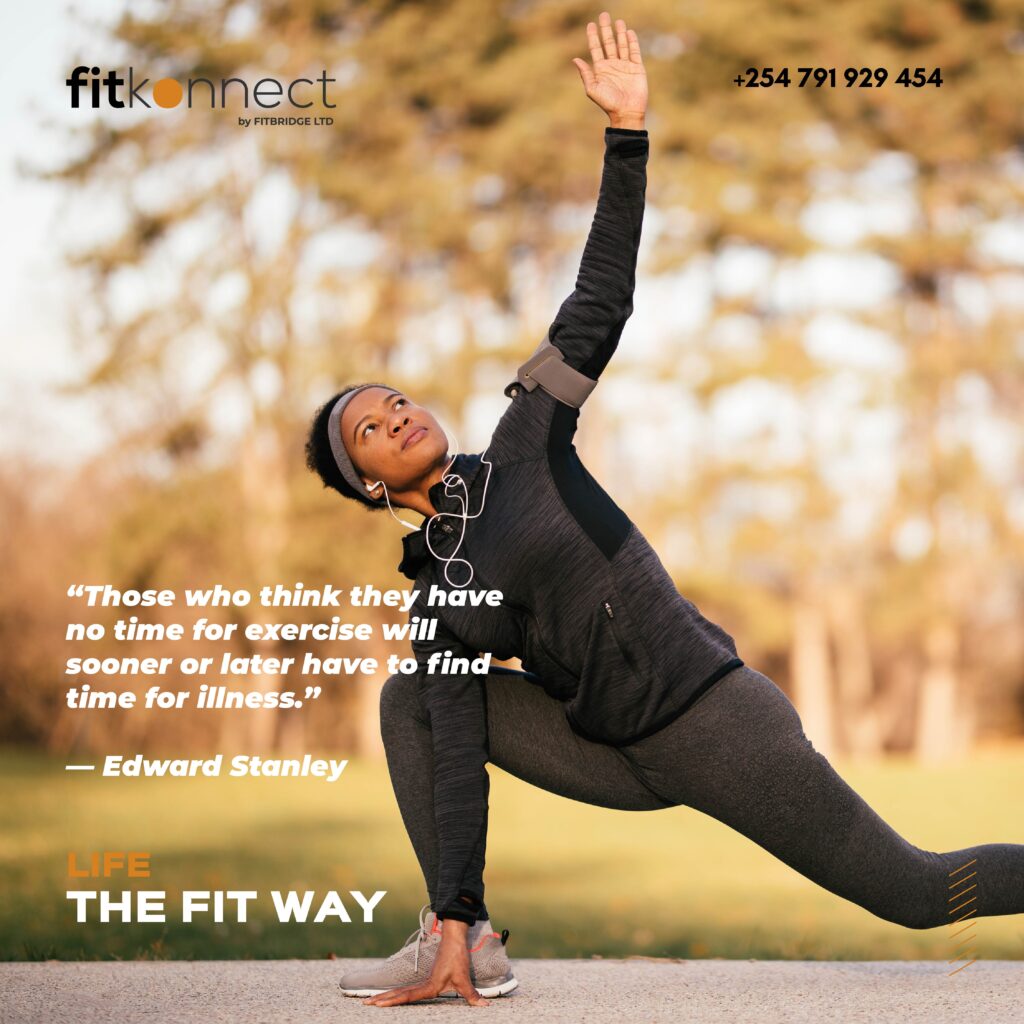
Those who think they have no time for exercise will sooner or later have to find time for illness.
Edward Stanley
Boosting Brainpower
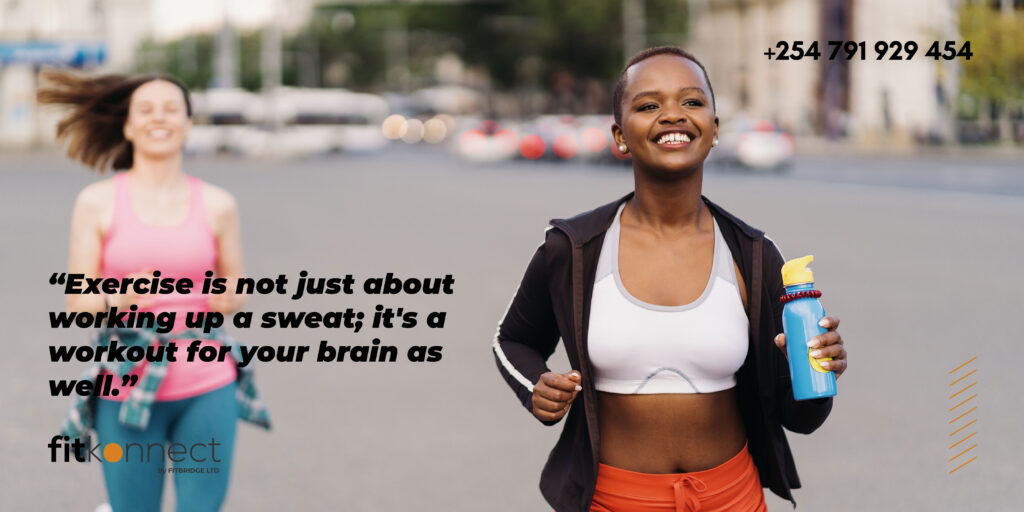
Exercise is not just about working up a sweat; it’s a workout for your brain as well. According to a study by Harvard Medical School, physical activity can improve cognitive function, including memory, focus, and problem-solving skills. This mental enhancement can be particularly valuable when dealing with stress or anxiety.
Making Exercise a Habit
To truly harness the benefits of exercise for mental well-being, it’s essential to establish a regular routine. Whether it’s a daily walk, a yoga session, lifting weights, or the sheer joy of dancing, the key is consistency. Think of it as having a dependable anchor amidst the storms of life.
Strength in Numbers
Participating in group fitness activities can provide an extra layer of support. Being part of a community with shared goals and experiences can combat the feelings of loneliness and isolation that often accompany mental health challenges. It’s like having a cheering squad for your mental well-being.
When to Seek Professional Guidance
While exercise can be an incredible asset, it’s important to remember that it’s not a one-size-fits-all solution for severe mental health issues. If you find yourself wrestling with overwhelming stress, persistent anxiety, or severe depression, don’t hesitate to reach out to mental health professionals. They can provide a comprehensive approach to recovery, which may include therapy, medication, and lifestyle changes like incorporating exercise.
Getting active is like offering your mind a precious gift. It’s a simple yet potent way to manage stress, tame anxiety, and alleviate depression. So, slip on those sneakers, find an activity that speaks to your soul, and observe how exercise can work wonders for your mental strength. It’s not just about feeling good in your body; it’s about cultivating a resilient and positive mindset too. Embrace the journey towards a healthier body and a happier mind! For more motivation and mind-bending tips see our previous blogs.
]]>