In the quest for fitness, we often focus on exercise routines, nutrition plans, and lifestyle choices. Yet, there’s a silent, rejuvenating force that plays a crucial role in our journey toward peak performance and recovery: sleep. Understanding the intricate relationship between sleep and exercise unveils a powerful secret that can transform your fitness outcomes.
The Sleep-Exercise Connection: Fuelling Your Body’s Recovery
1. Physical Repair: While we slumber, our bodies are hard at work. During deep sleep stages, tissues and muscles are repaired and grown. Adequate sleep allows the body to heal microtears that occur during exercise, helping you build strength and endurance more effectively.

2. Hormonal Balance: Sleep is essential for maintaining hormonal balance, particularly those related to growth and stress. Growth hormone, crucial for muscle development, is released primarily during deep sleep. In contrast, chronic sleep deprivation can lead to an increase in the stress hormone cortisol, which can hinder muscle growth and recovery. For more on happiness hormones and their effects on our well-being read here.
3. Energy Restoration: Sleep serves as a recharge for your energy reserves. It replenishes glycogen stores, the body’s primary source of energy during physical activity. A well-rested body has more energy to fuel workouts and recover afterward.
Performance Enhancement: Unleashing Your Athletic Potential
1. Cognitive Function: Sleep is not just for the body; it’s for the mind. A well-rested brain is more focused, alert, and capable of making quick decisions. This can translate to improved coordination, agility, and overall sports performance.
2. Endurance and Strength: Quality sleep enhances your ability to push through physical challenges. Athletes often report improved endurance and strength after prioritizing sleep in their training routines.
3. Reduced Injury Risk: Fatigue from sleep deprivation can lead to poor form and an increased risk of injuries. Sleep supports better body awareness and coordination, reducing the likelihood of workout-related accidents.
Optimal Recovery: The Nighttime Repair Crew
1. Inflammation Control: Sleep helps regulate the body’s inflammatory responses. This is crucial because intense exercise can induce inflammation. Adequate sleep ensures your body can manage this inflammation effectively, reducing post-workout soreness.
2. Muscle Recovery: Protein synthesis, the process that repairs and builds muscle, is elevated during deep sleep. This means that those hours of shut-eye are when your body is hard at work repairing and strengthening the muscles you’ve targeted during your workouts.
3. Psychological Recovery: Sleep is not just physical; it’s psychological too. It aids in stress reduction and emotional stability. A well-rested mind can handle the mental challenges of training, leading to better adherence and motivation.
Sleep Hygiene for Fitness Enthusiasts
1. Consistent Schedule: Go to bed and wake up at the same time every day, even on weekends. Consistency helps regulate your body’s internal clock.
2. Optimal Environment: Create a sleep-conducive environment. This includes a comfortable mattress and pillows, as well as a dark, cool room.
3. Limit Stimulants: Avoid caffeine and nicotine close to bedtime. These substances can interfere with sleep.
4. Limit Screen Time: The blue light emitted by phones, tablets, and computers can disrupt sleep patterns. Aim to reduce screen time at least an hour before bed. If you need to use your phone before bedtime consider turning on eye comfort mode or using blue light filters.
5. Relaxation Techniques: Develop a pre-sleep relaxation routine. This can include practices like meditation, deep breathing, or gentle stretching.
6. Moderate Evening Meals: Large meals and spicy foods can cause discomfort and disrupt sleep. Aim to finish eating at least two to three hours before bedtime.
Take away
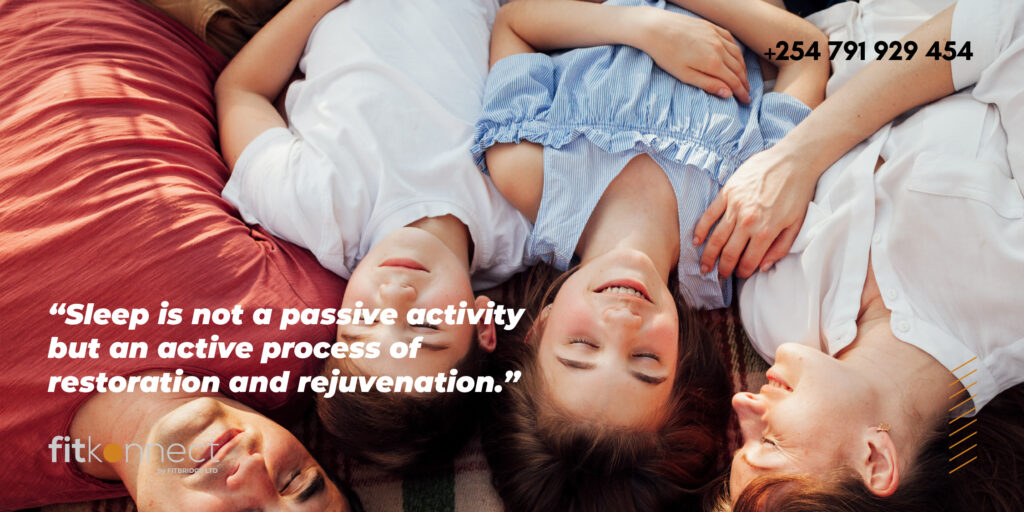
Sleep is not a passive activity but an active process of restoration and rejuvenation, especially for those on a fitness journey. Prioritizing sleep can enhance physical performance, accelerate recovery, and elevate overall well-being. It’s the secret ingredient that can take your fitness results to the next level. So, let’s put sleep at the forefront of our fitness routines and unlock the full potential of our bodies and minds. 

 #SleepAndExercise #FitnessRecovery #PeakPerformance
Endurance (Cardiovascular) Exercise
Endurance exercise, also known as cardiovascular or cardio exercise, involves activities that get your heart pumping and increase your breathing rate. Running, cycling, swimming, and dancing are excellent examples of endurance exercises. Regular cardio workouts strengthen your heart and lungs, improve circulation, and boost overall stamina. Engaging in endurance exercise not only supports weight management but also reduces the risk of heart disease, hypertension, and diabetes.
Balance Exercise

Balance exercises focus on enhancing stability, coordination, and proprioception (awareness of your body’s position in space). These exercises help prevent falls, improve posture, and increase body awareness. Examples of balance exercises include standing on one leg, yoga poses, and using a stability ball. Integrating balance exercises into your routine can enhance your athletic performance and daily activities, as well as reduce the risk of injuries.
Flexibility Exercise
Flexibility exercises are designed to stretch and lengthen muscles, increasing your range of motion and promoting joint health. Yoga, Pilates, and stretching routines are popular forms of flexibility exercises. Regular practice can alleviate muscle tightness, improve posture, and reduce muscle soreness. Flexibility is essential for injury prevention and helps maintain functional mobility as you age.
Strength Exercise
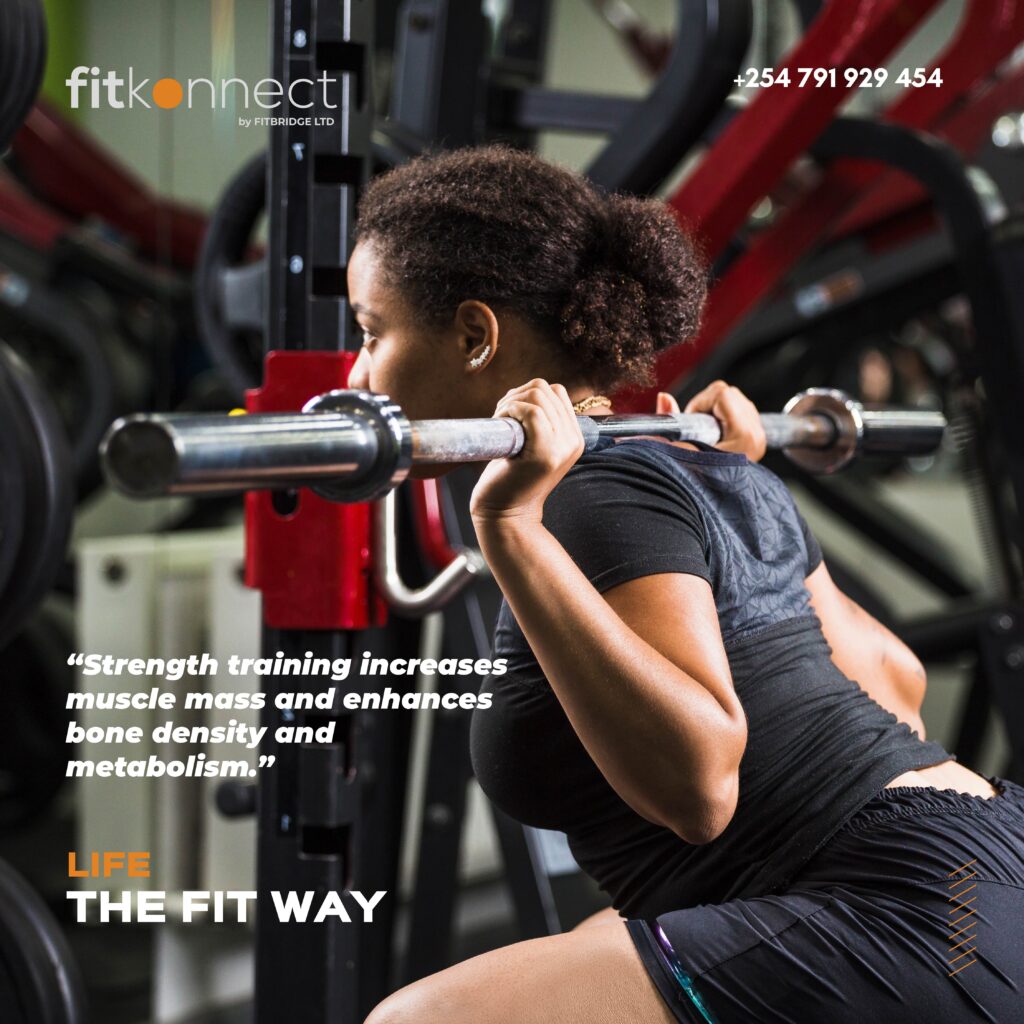
Strength exercises, also known as resistance or weight-bearing exercises, focus on building and toning muscles. Weightlifting, bodyweight exercises (e.g., push-ups, squats), and resistance band workouts fall under this category. Strength training not only increases muscle mass but also enhances bone density and metabolism. Building muscle is crucial for maintaining a strong and functional body, especially as you age.
Incorporating all four types of exercise into your fitness routine is key to a well-rounded approach that optimizes your health and performance. Each type offers unique benefits that contribute to your overall fitness and well-being. Now that we’ve explored an overview of the four types, our journey doesn’t end here. Stay tuned for a continuation of this exploration, where we’ll delve deeper into each type of exercise, providing you with actionable tips, exercise routines, and expert insights.
Join us for the next installment, where we’ll delve deeper into each type of exercise, providing you with actionable tips, exercise routines, and expert insights. Here’s one blog where we explore running and its benefits.
]]>