Building a Strong Core
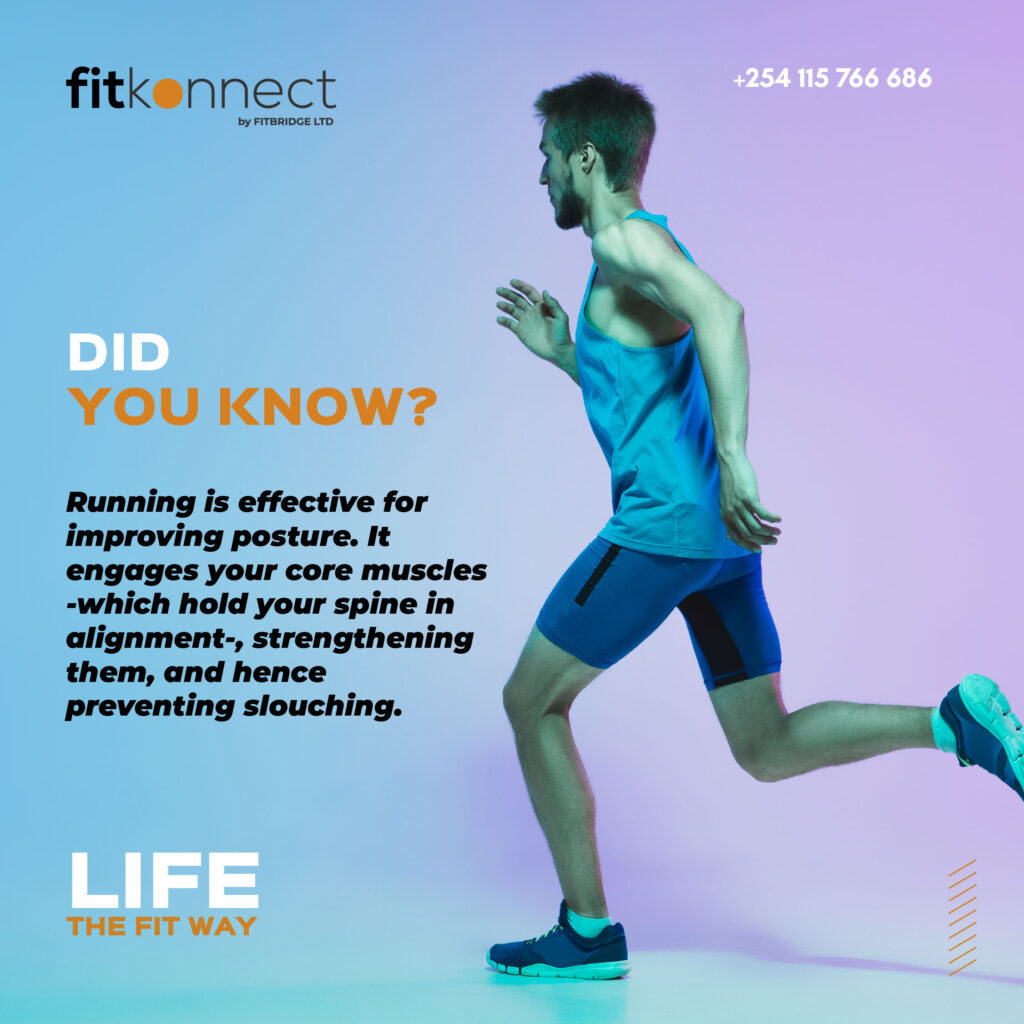
Running is a core workout in disguise. Every time you run, your abdominal and back muscles work overtime to keep your spine stabilized and your body upright. This improves your core strength translating to better posture throughout the day, helping you stand taller and avoiding slouching.
Increased Flexibility
Tight hamstrings and a stiff back are enemies of good posture. Running stretches and loosens these muscles, allowing for a wider range of motion. Increased flexibility allows your body to move more naturally and efficiently, contributing to better posture.
Body Awareness on the Go
Running like most other physical activities requires good body awareness. You need to be mindful of your form to avoid injury during workouts and maximize your effort. This focus on your body’s position translates to a heightened awareness during everyday activities. Naturally, you’ll start noticing your posture and making adjustments to stand taller and sit straighter.
Weight Management Bonus
Running can help you maintain a healthy weight, which can indirectly improve posture. Excess weight pulls on your joints and muscles, hence slouching. Running helps you avoid this strain and promotes a more natural upright posture by keeping your weight in check.
Run Smart, Stand Tall:
Proper running form is key to reaping the posture-improving benefits. Here are some tips:
- Head Up, Eyes Forward: Avoid the downward gaze! Looking down can hunch your shoulders and neck. Keep your head held high and focus on the horizon.
- Straight Spine, Strong Core: Imagine a string pulling you up from the crown of your head. Engage your core muscles to maintain a neutral spine alignment.
- Relaxed Shoulders: Don’t tense up! Keep your shoulders down and relaxed, away from your ears.
- Natural Arm Swing: Let your arms swing freely at your sides. Avoid crossing them in front of your body.
New Runner? Get Guidance:
If you’re just starting your running journey, consider consulting us for a coach or trainer. They can help you develop proper form, ensure you’re running safely, and maximize the posture-improving benefits of running.
Running isn’t the silver bullet for all posture problems, but it is powerful in strengthening your core, improving flexibility, and increasing body awareness – all of which contribute to better posture and a more confident stride.
So lace up your shoes, hit the pavement, and run your way to a taller, healthier you!
If you found this interesting then you might want to read how to stay active at your desk.
We can help you find a coach or trainer near you.
Call +254 115 766 686 or Email: go@fitkonnect.com and we’ll help you out.
]]>Focus on your streamline
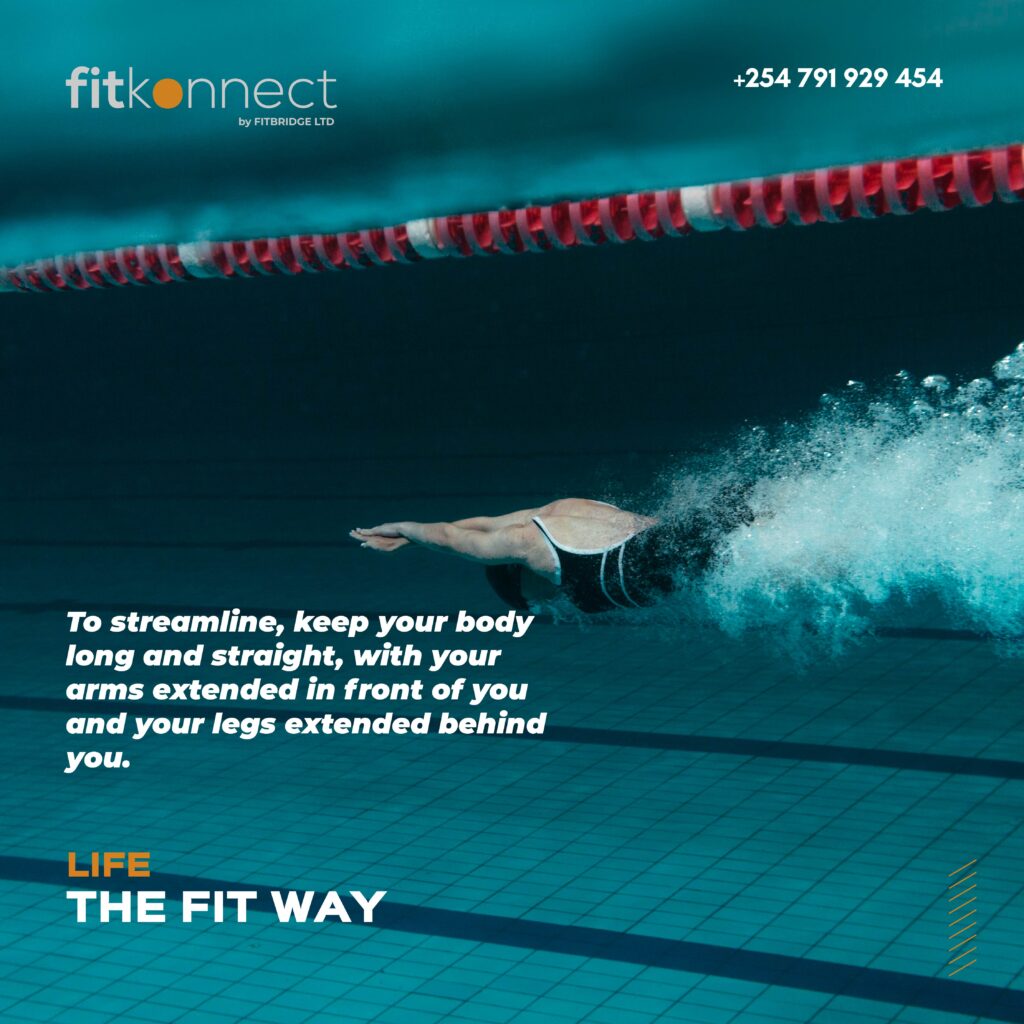
Your streamline is your body position in the water. It’s important to have a good streamline to reduce drag and swim faster. To streamline, keep your body long and straight, with your arms extended in front of you and your legs extended behind you.
Kick your legs efficiently
Your legs generate a lot of power when you swim, so it’s important to kick efficiently. To kick efficiently, keep your legs straight and kick from your hips. Avoid as much as possible bending your knees or kicking from your knees down. For a better illustration see this clip.
Proper Stroke
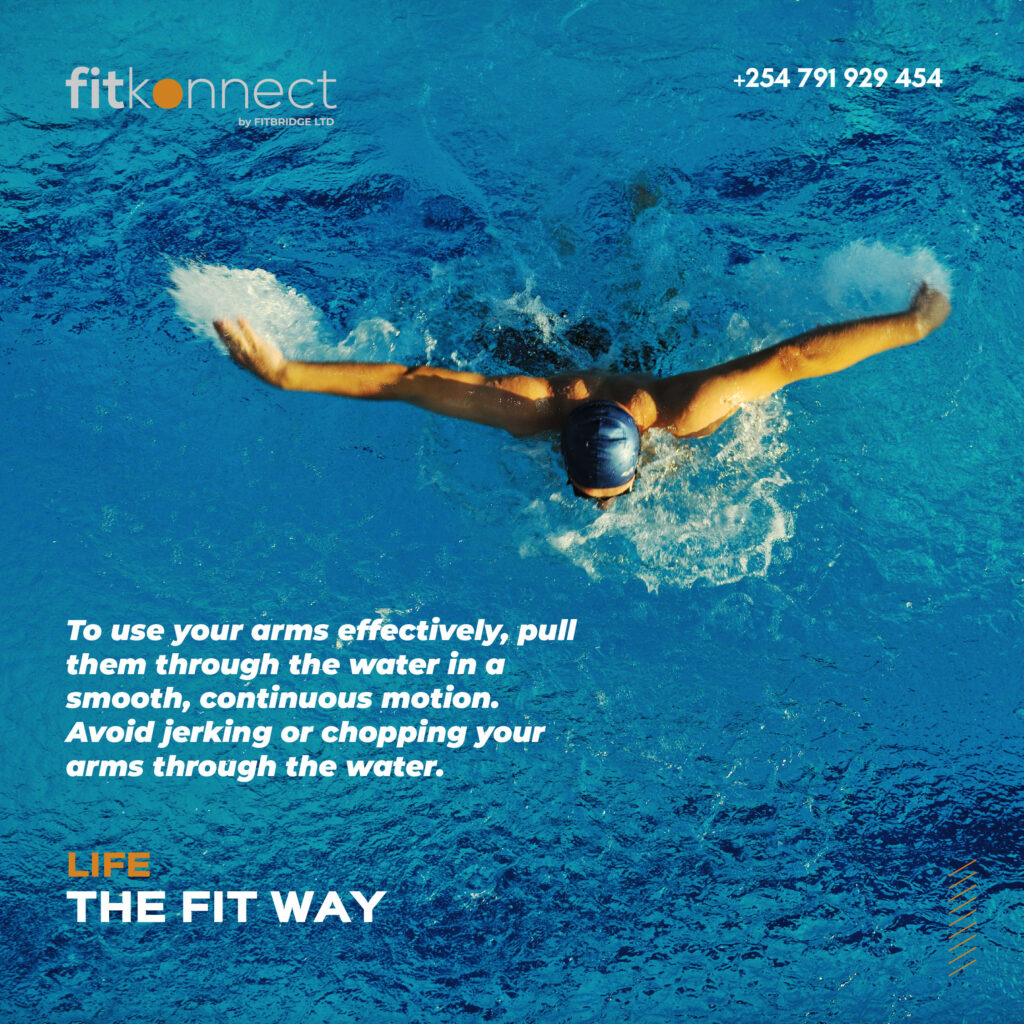
Use your arms efficiently to pull yourself through the water: Your arms also generate a lot of power when you swim. To use your arms effectively, pull them through the water in a smooth, continuous motion. Avoid jerking or chopping your arms through the water.
Breathe Properly
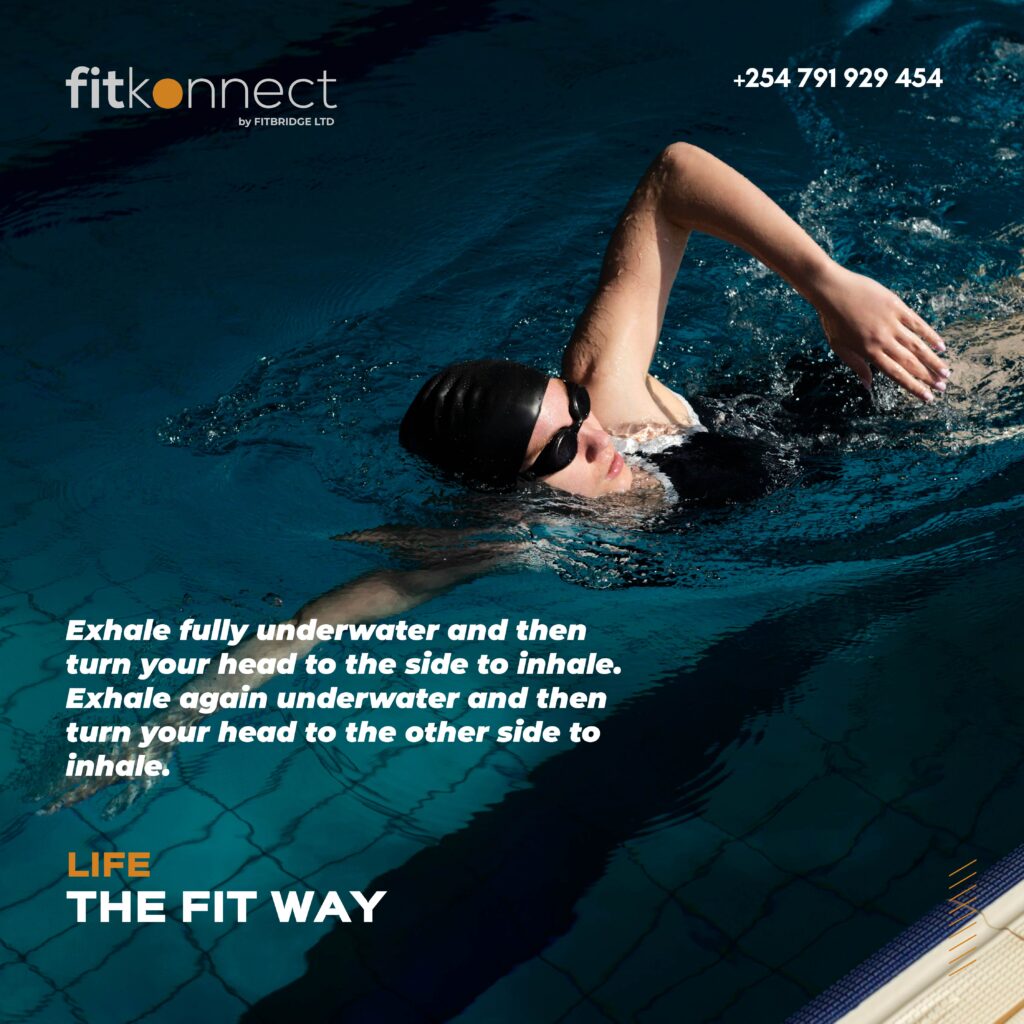
Breathing properly is essential for swimming faster. To breathe properly, exhale fully underwater and then turn your head to the side to inhale. Exhale again underwater and then turn your head to the other side to inhale. Repeat this cycle throughout your swim.
Practice Makes Perfect
Practice regularly: The more you practice swimming, the better you will become. Try to swim at least three times per week for 30 minutes each time.
Following these tips can help you to improve your swimming speed and technique. With regular practice, you will be swimming faster than ever in no time! Swimming is more than just a refreshing way to cool off on a hot day. It is a full-body workout that offers a myriad of health benefits. To read more on this see this blog.
]]>In this blog post, we will review and analyze the effectiveness of various fitness gadgets and wearables on the market, helping you make an informed decision about which device is right for you.
Types of fitness gadgets and wearables
There are a wide variety of fitness gadgets and wearables available on the market, each with its own unique features and capabilities. Some of the most common types of fitness gadgets and wearables include:
- Smartwatches: Smartwatches are wearable devices that can track a variety of fitness metrics, such as steps taken, heart rate, and calories burned. Some smartwatches also offer features such as GPS tracking, music playback, and mobile payments.
- Fitness trackers: Fitness trackers are typically more affordable than smartwatches, but they offer fewer features. However, fitness trackers can still be very effective at tracking basic fitness metrics such as steps taken, distance traveled, and calories burned.
- Heart rate monitors: Heart rate monitors track your heart rate throughout the day and during workouts. This information can help you to track your fitness progress and to ensure that you are working out at the correct intensity level.
- Activity trackers: Activity trackers are similar to fitness trackers, but they focus on tracking your overall activity level throughout the day. This includes tracking things like steps taken, distance traveled, and calories burned. Some activity trackers also offer features such as sleep tracking and stress monitoring.

Effectiveness of fitness gadgets and wearables
The effectiveness of fitness gadgets and wearables varies depending on the device and the individual user. However, research has shown that fitness gadgets and wearables can be effective at helping people to lose weight, increase their physical activity levels, and improve their overall health and fitness.
For example, a study published in the Journal of the American Medical Association found that people who wore fitness trackers for six months lost more weight and increased their physical activity levels more than those who did not wear fitness trackers.
Another study, published in the journal Obesity Facts, found that people who wore fitness trackers for one year were more likely to lose weight and keep it off than those who did not wear fitness trackers.
How to choose the right fitness gadget or wearable
When choosing a fitness gadget or wearable, there are a few things you should keep in mind:
- Your budget: Fitness gadgets and wearables can range in price from a few thousand shillings to several thousands. It is important to set a budget before you start shopping so that you do not overspend.
- Your fitness goals: What do you want to achieve with your fitness gadget or wearable? If you are looking to lose weight, you will need a device that can track your calories burned. If you are looking to improve your cardiovascular health, you will need a device that can track your heart rate.
- Your lifestyle: Consider your lifestyle when choosing a fitness gadget or wearable. If you are active all day long, you will need a device that can keep up with you. If you are not as active, you may be able to get away with a more basic device.
Why Choose a Name-Brand Fitness Wearable?
When it comes to fitness wearables, it is important to choose a reputable brand. Generic brands may be cheaper, but they often lack the features, support, and warranties of name brands.
Here are a few reasons why you should choose a name-brand fitness wearable:
- Accuracy: Name-brand fitness wearables are typically more accurate than generic brands. This is because name brands invest more in research and development to ensure that their products are accurate and reliable.
- Features: Name-brand fitness wearables often offer more features than generic brands. This may include features such as GPS tracking, heart rate monitoring, and sleep tracking.
- Support: Name-brand fitness wearables typically offer better support than generic brands. This means that you can get help from the manufacturer if you have a problem with the product.
- Warranties: Name-brand fitness wearables typically offer better warranties than generic brands. This means that you may be able to get the product repaired or replaced for free if it breaks.
When choosing a fitness wearable, it is important to consider your budget and your needs. If you are looking for a high-quality fitness wearable that is backed by a good warranty, it is best to choose a name brand.
Here are a few tips for choosing a name-brand fitness wearable:
- Read reviews: Read reviews from other consumers before you buy a fitness wearable. This can help you to determine whether or not the product is right for you.
- Compare prices: Compare prices from different retailers before you buy a fitness wearable. You can also look for coupons and discounts online.
- Consider your needs: Think about what features are important to you in a fitness wearable. Do you need GPS tracking? Heart rate monitoring? Sleep tracking? Once you know what features you need, you can start narrowing down your choices.
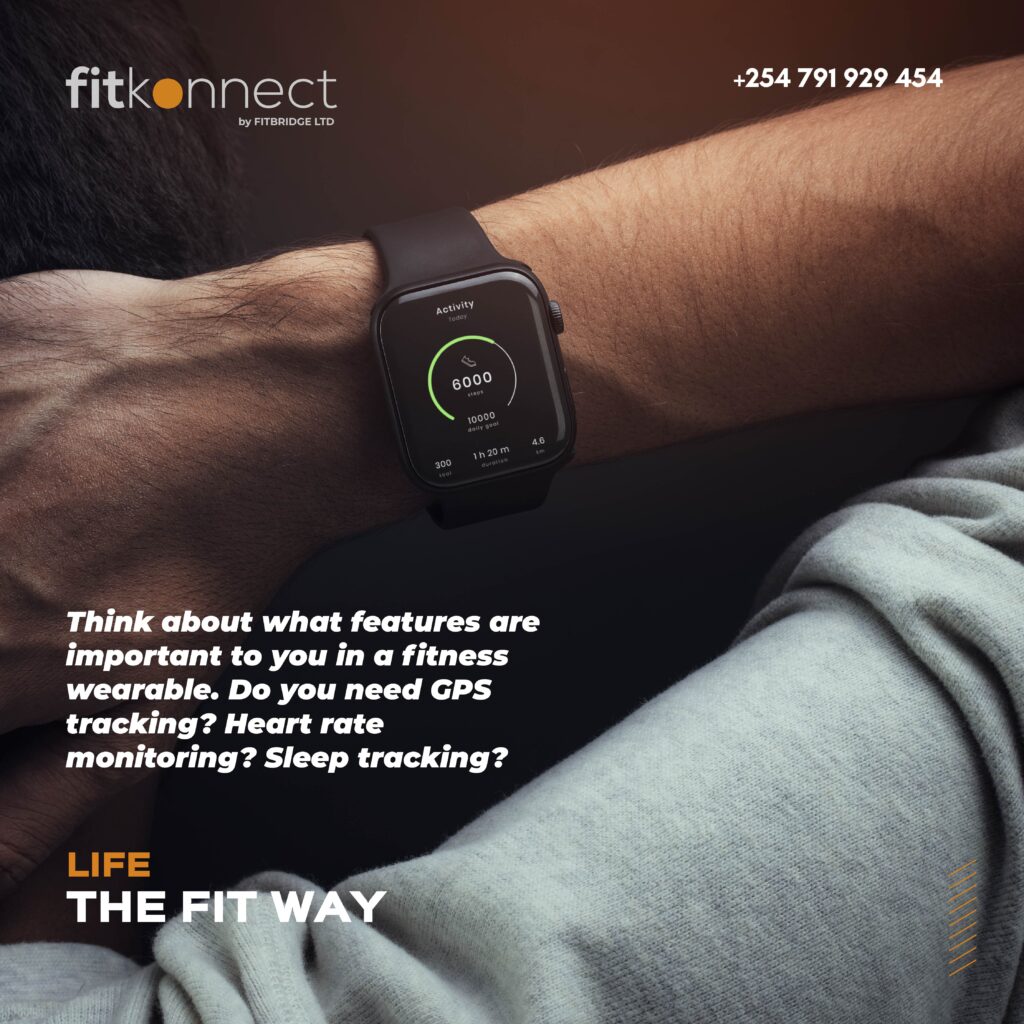
By following these tips, you can choose a name-brand fitness wearable that is right for you and your budget.
Fitness gadgets and wearables can be effective tools for helping people to improve their health and fitness. However, it is important to choose the right device for your individual needs and goals.
If you are unsure which fitness gadget or wearable is right for you, talk to your doctor or a certified personal trainer. They can help you to choose a device that is right for you and your fitness goals.
The Mind-Body Harmony
Our minds and bodies are intimately connected, like best friends who share everything. When we exercise, we’re not only doing our bodies a favour but also giving our mental well-being a boost. The profound link between physical activity and mental health cannot be overstated.
Stress Be Gone
One of the most significant benefits of regular exercise is its remarkable ability to alleviate stress. When you engage in physical activity, your brain responds by releasing special chemicals known as endorphins. These endorphins act as natural mood lifters, reducing stress and promoting a sense of overall well-being. Moreover, exercise helps to lower the levels of stress hormones, like cortisol, in your body, which can leave you feeling more relaxed and in control.
Anxiety Tamer
For those battling anxiety, exercise can be a valuable tool in their arsenal. It provides an outlet for restlessness and worry, channelling excess energy into a productive and calming outlet. Exercise fosters relaxation and a sense of control, which can be incredibly empowering when faced with anxiety.
Fighting the Blues
Depression can often leave you feeling drained of energy and motivation. However, exercise can help counteract these symptoms. It boosts your energy levels and releases built-up tension, offering a sense of accomplishment and a shift towards a more positive outlook on life. Studies have even shown that regular exercise can be as effective as medication in managing mild to moderate depression.
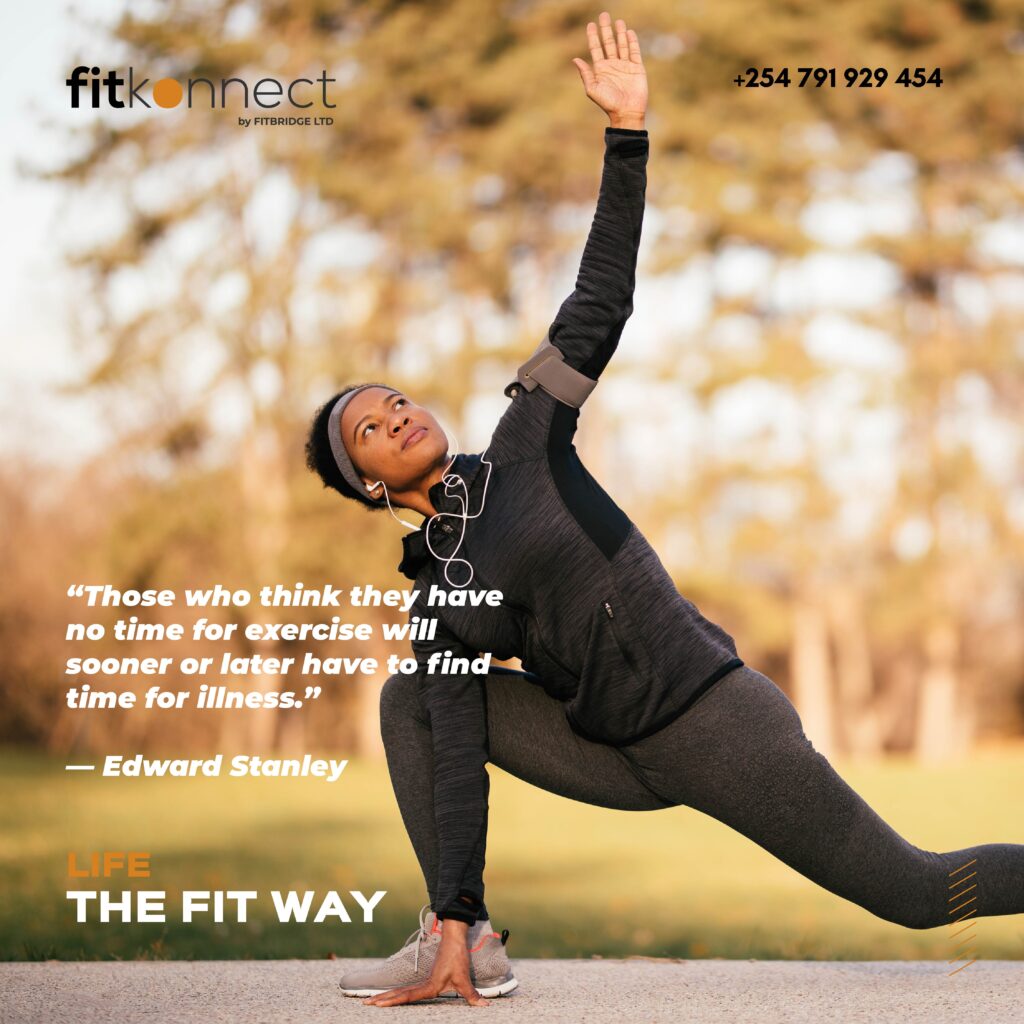
Those who think they have no time for exercise will sooner or later have to find time for illness.
Edward Stanley
Boosting Brainpower
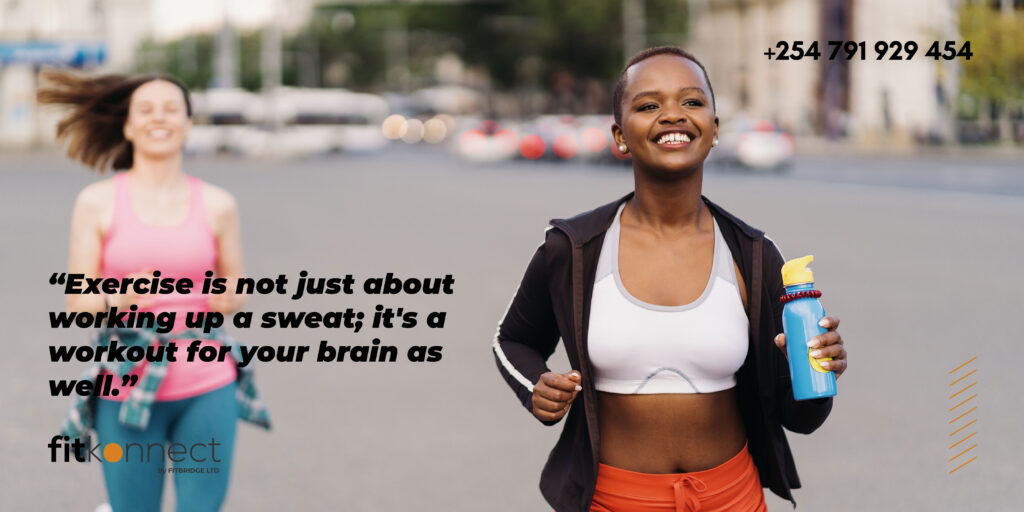
Exercise is not just about working up a sweat; it’s a workout for your brain as well. According to a study by Harvard Medical School, physical activity can improve cognitive function, including memory, focus, and problem-solving skills. This mental enhancement can be particularly valuable when dealing with stress or anxiety.
Making Exercise a Habit
To truly harness the benefits of exercise for mental well-being, it’s essential to establish a regular routine. Whether it’s a daily walk, a yoga session, lifting weights, or the sheer joy of dancing, the key is consistency. Think of it as having a dependable anchor amidst the storms of life.
Strength in Numbers
Participating in group fitness activities can provide an extra layer of support. Being part of a community with shared goals and experiences can combat the feelings of loneliness and isolation that often accompany mental health challenges. It’s like having a cheering squad for your mental well-being.
When to Seek Professional Guidance
While exercise can be an incredible asset, it’s important to remember that it’s not a one-size-fits-all solution for severe mental health issues. If you find yourself wrestling with overwhelming stress, persistent anxiety, or severe depression, don’t hesitate to reach out to mental health professionals. They can provide a comprehensive approach to recovery, which may include therapy, medication, and lifestyle changes like incorporating exercise.
Getting active is like offering your mind a precious gift. It’s a simple yet potent way to manage stress, tame anxiety, and alleviate depression. So, slip on those sneakers, find an activity that speaks to your soul, and observe how exercise can work wonders for your mental strength. It’s not just about feeling good in your body; it’s about cultivating a resilient and positive mindset too. Embrace the journey towards a healthier body and a happier mind! For more motivation and mind-bending tips see our previous blogs.
]]>The Science of HIIT: Why It Works
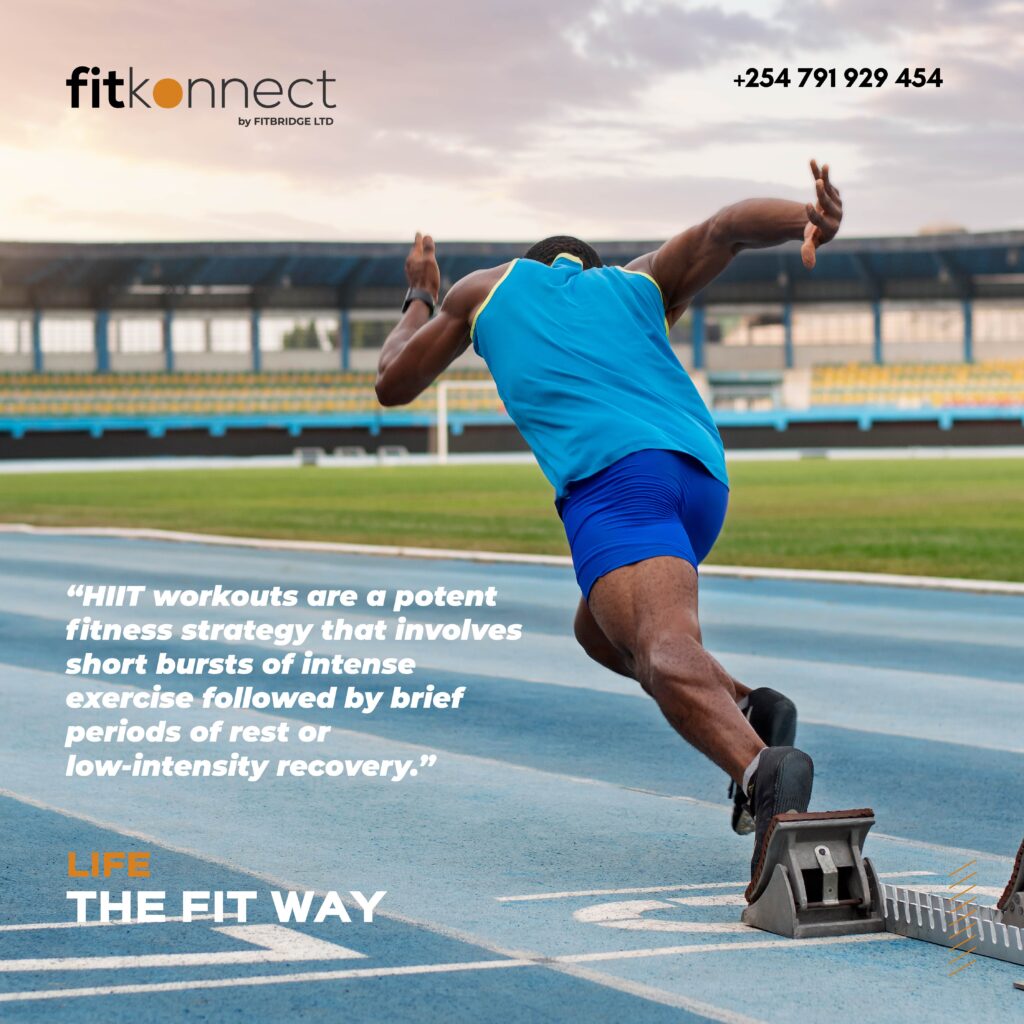
HIIT workouts are a potent fitness strategy that involves short bursts of intense exercise followed by brief periods of rest or low-intensity recovery. This cycle is repeated multiple times during a single workout session. The beauty of HIIT lies in its ability to maximize benefits in a shorter amount of time compared to traditional steady-state cardio.
Examples of HIIT workouts
1. Tabata Protocol: This classic HIIT format involves 20 seconds of all-out effort followed by 10 seconds of rest, repeated for four minutes. You can perform exercises like squats, push-ups, burpees, or sprints in this style.
2. Pyramid HIIT: Start with a short interval (e.g., 10 seconds) of high-intensity exercise, followed by a slightly longer rest (e.g., 20 seconds). Gradually increase the work interval by 10 seconds while maintaining the 20-second rest until you reach your peak, and then reverse the pattern.
3. Circuit Training: Create a circuit of different exercises, such as jumping jacks, mountain climbers, and kettlebell swings. Perform each exercise for a set duration (e.g., 30 seconds) with minimal rest between exercises. Complete the circuit and rest for a brief period before repeating.
4. Sprint Intervals: Find an open space and sprint at maximum effort for a set distance (e.g., 100 meters), then recover with a slow walk or jog. Repeat this pattern for a designated number of rounds.
5. Bodyweight HIIT: Combine bodyweight exercises like squats, lunges, push-ups, and planks into a HIIT routine. Perform each exercise for a specific duration with short rest intervals between.
6. Jump Rope HIIT: Incorporate jumping rope into your HIIT regimen. Alternate between fast, intense skipping and brief rest periods to elevate your heart rate and engage multiple muscle groups.
7. Stationary Bike Sprints: Utilize a stationary bike or spin cycle for HIIT sessions. Pedal as fast as possible for a set time, followed by a recovery period. Adjust resistance levels to intensify the workout.
Here’s how HIIT works its magic
1. Efficient Calorie Burn: HIIT elevates your heart rate quickly and maintains it throughout the workout. This leads to a higher calorie burn during the workout and a continued elevated metabolism even after you’ve finished exercising.
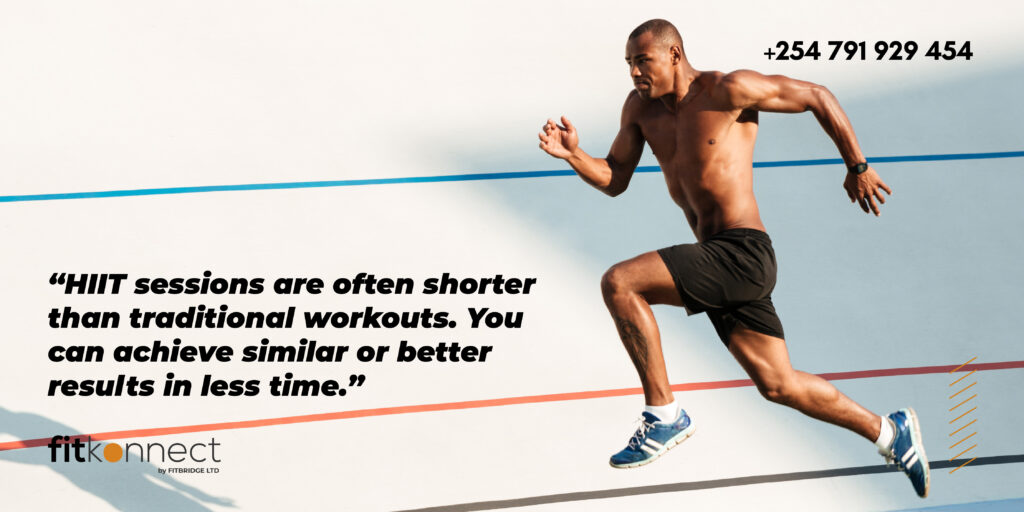
2. Time-saving: HIIT sessions are often shorter than traditional workouts. You can achieve similar or better results in less time, making it a perfect fit for those with busy schedules.
3. Versatile: HIIT can be customized to various fitness levels. You can adjust the intensity, duration, and exercises to match your individual capabilities and goals.
4. Cardiovascular Health: HIIT has been shown to improve cardiovascular health by increasing your heart’s capacity to pump blood efficiently, thus reducing the risk of heart diseases.
5. Effective Fat Loss: HIIT is renowned for its ability to burn calories and promote fat loss. The intense bursts of activity elevate your heart rate and metabolism, leading to a greater post-exercise calorie burn.
6. No Equipment Necessary: Many HIIT exercises require little to no equipment, making it accessible for individuals without access to a gym.
7. Metabolic Benefits: HIIT may increase insulin sensitivity and improve glucose regulation, making it potentially beneficial for individuals with type 2 diabetes.
Disadvantages of HIIT
1. Risk of Injury: HIIT involves high-intensity movements, which can increase the risk of injury if proper form is not maintained. Beginners should start gradually and focus on technique.
2. Intensity Challenges: HIIT can be extremely demanding, discouraging some individuals from sticking with the program long-term.
3. Recovery Time: The intensity of HIIT may require longer recovery periods between sessions, which can limit frequency and consistency.
4. Muscle Soreness: HIIT often leads to muscle soreness, especially for beginners. Adequate rest and recovery are essential to prevent overtraining.
5. Not Suitable for Everyone: HIIT may not be appropriate for individuals with certain medical conditions or physical limitations. Consult with a healthcare professional before starting HIIT, especially if you have pre-existing health concerns.
6. Mental Stress: The mental stress of HIIT can be challenging for some individuals. The intensity and the need to push through discomfort may not be enjoyable for everyone.
7. Potential Plateaus: Over time, your body may adapt to HIIT, potentially leading to plateaus in terms of fitness gains. It’s important to periodically adjust your routines to continue seeing progress.
While HIIT can be highly effective and beneficial for many, it’s essential to approach it with caution, especially if you’re new to exercise or have underlying health concerns. HIIT can offer numerous benefits, but it should be approached gradually and with mindfulness. If you’re new to exercise or have underlying health concerns, consult with a healthcare provider before starting a HIIT program. Always warm up and cool down, listen to your body for signs of distress, maintain proper form, and stay hydrated. Balance HIIT with other fitness activities, allow for sufficient recovery and progress at a pace that suits your abilities. HIIT can be a valuable tool when used safely and effectively as part of a holistic fitness routine.
The key is to strike a balance between pushing your limits and listening to your body’s signals. If in doubt, seek guidance from fitness professionals who can help you design a safe and effective HIIT program tailored to your specific goals and needs.
Remember, safety always comes first. Before embarking on any new fitness routine, it’s advisable to consult with a professional, especially if you have any underlying medical conditions.
]]>Mindful Eating: The Foundation of Fitness
Mind Over Morsel
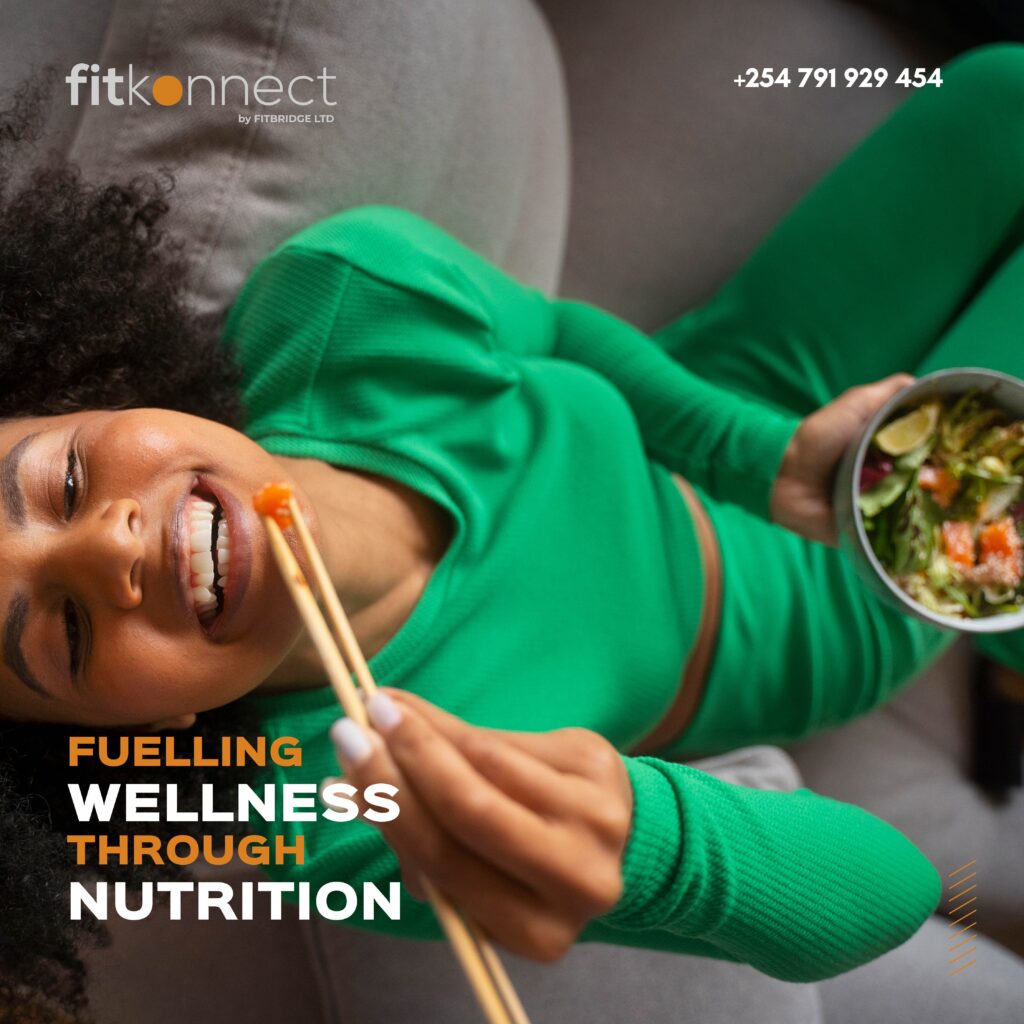
At its core, mindful eating in the fitness context means being acutely aware of how the foods you consume contribute to your energy, stamina, and overall well-being. It’s a shift from passive consumption to active nourishment—an understanding that every bite plays a role in your fitness journey.
Balanced Diets: Nutrient Harmony
A balanced diet refers to a way of eating that provides the body with the essential nutrients it needs to function properly and maintain good health. A balanced diet includes a variety of foods from different food groups in appropriate proportions. The goal is to ensure that the body receives the right amounts of carbohydrates, proteins, fats, vitamins, minerals, and other nutrients to support overall well-being, energy levels, and specific health goals.
Fuelling for Fitness Success
When practicing mindful eating for fitness, focus on a balanced diet that includes the right proportions of macronutrients:
1. Protein Power: Essential for muscle repair and growth. Sources include lean meats, fish, poultry, beans, and plant-based proteins like peanuts.
2. Carb Considerations: Carbohydrates provide energy for workouts. Opt for whole grains, fruits, and vegetables for sustained energy release.
3. Healthy Fats: Omega-3 fatty acids support joint health and overall well-being. Incorporate sources like nuts, avocados, and fatty fish.
Portion Control: Quality over Quantity
Mindful eating for fitness also involves portion control—serving sizes that align with your activity levels and goals. Consider these strategies:
1. Listen to Hunger: Eat when you’re hungry and stop when you’re satisfied. Pay attention to your body’s cues rather than external portion sizes.
2. Plate Composition: Divide your plate into sections—half for vegetables, a quarter for lean protein, and a quarter for complex carbohydrates.
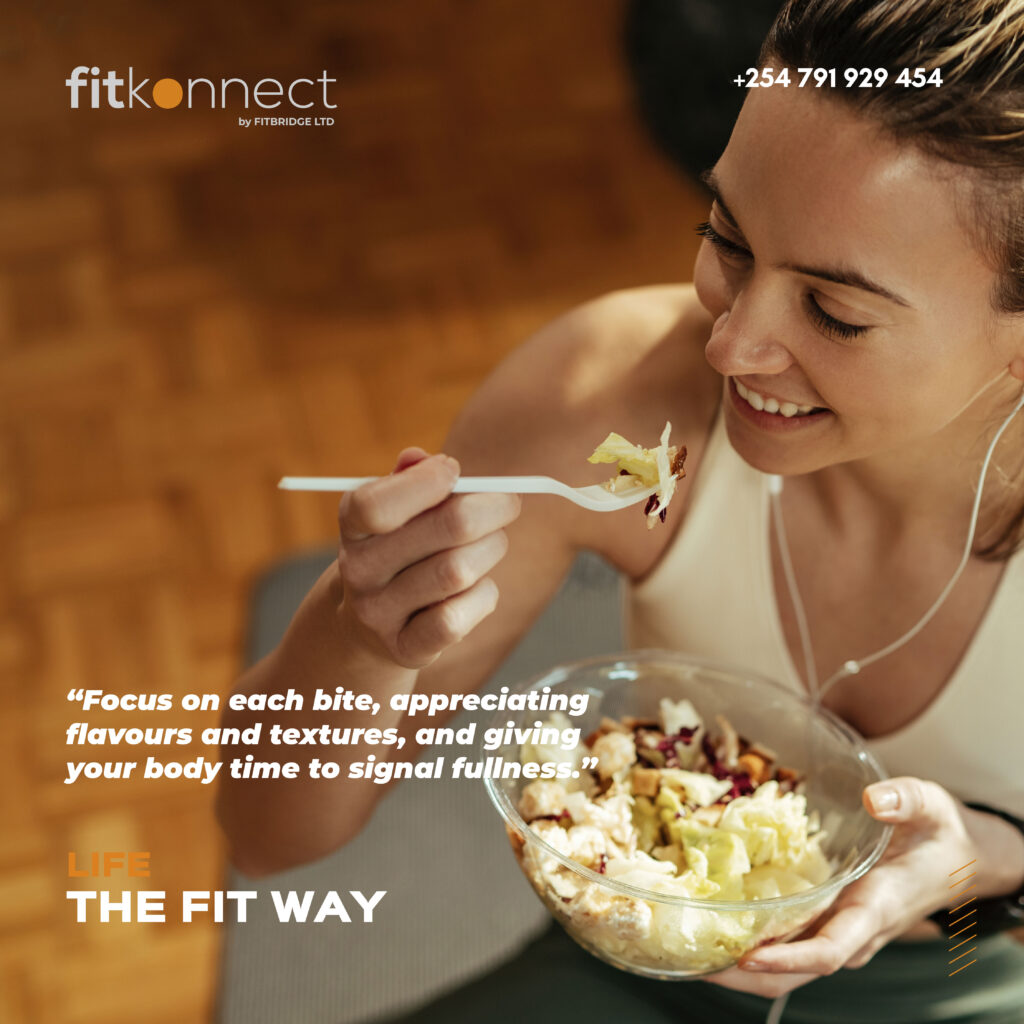
3. Focus on the plate: Avoid distractions while eating. Focus on each bite, appreciating flavours and textures, and giving your body time to signal fullness.
Navigating Supplements: Informed Choices
Supplements refer to products that are designed to supplement or add to the diet in order to provide additional nutrients that might be lacking from regular food intake. These supplements come in various forms, such as pills, capsules, powders, liquids, and gummies, and they contain specific vitamins, minerals, herbs, amino acids, enzymes, or other bioactive compounds.
It’s important to note that while supplements can be beneficial in certain situations, they should not be seen as a replacement for a balanced diet. Whole foods provide a combination of nutrients, fibre, and other bioactive compounds that work synergistically for optimal health. Supplements are meant to complement a healthy diet and should ideally be taken under the guidance of a healthcare professional, such as a doctor or registered dietitian, especially if there are specific health goals or medical conditions involved.
Always be cautious and informed before incorporating supplements into your routine.

Enhancing, Not Replacing
Supplements can be a valuable addition to a mindful eating plan, but they should complement—not replace—whole foods. Consult a healthcare professional before introducing supplements, and consider these options:
1. Protein Supplements: Whey or plant-based protein powders can support muscle recovery after intense workouts.
2. Omega-3 Supplements: Fish oil or algae-based supplements can help maintain joint health and reduce inflammation.
3. Vitamin and Mineral Supplements: Address specific deficiencies under professional guidance. Vitamin D and calcium, for example, are crucial for bone health.
Incorporating Mindful Eating into Your Fitness Journey
1. Pre-Workout Fuel: Opt for a balanced snack or meal rich in carbohydrates and protein about an hour before exercising to maximize energy levels.
2. Post-Workout Recovery: Include a source of protein and carbohydrates to aid muscle recovery and replenish glycogen stores.
3. Hydration Awareness: Stay hydrated, as even mild dehydration can impact exercise performance and cognitive function.
Mindful eating is a powerful tool that extends its benefits to achieving your fitness goals, transforming your relationship with food from mere sustenance to strategic nourishment. By focusing on balanced diets, portion control, and the appropriate use of supplements, you’re not just fuelling your workouts—you’re supporting your body’s intricate needs for growth, repair, and overall health. Embrace mindful eating as an integral part of your fitness journey, and watch as it harmonizes with your efforts, leading to a more vibrant, resilient, and capable you.
]]>Endorphins: The Euphoria Elixir
Endorphins are the superheroes of our natural painkilling system. These remarkable chemicals are released in response to a variety of triggers, including vigorous exercise, genuine laughter, and even certain foods. Their dual role involves not only easing pain but also ushering in waves of euphoria and relaxation. So, that post-workout glow and sense of bliss? You can thank endorphins for that.
Dopamine: The Motivation Molecule
Dopamine is the brain’s ultimate reward messenger. It surges forth when we achieve a goal, receive a compliment, or even anticipate something positive. This wonder molecule reinforces behavior by creating feelings of pleasure and motivation, urging us to seek out the sources of happiness we’ve encountered before.
Serotonin: The Mood Stabilizer
Say hello to the mood maestro, serotonin. This neurotransmitter is instrumental in regulating mood and emotional well-being. It’s the force behind those moments of happiness, calmness, and contentment. Adequate serotonin levels contribute to an overall sense of balance, while low levels are often associated with conditions like depression and anxiety. The sunshine vitamin, exercise, and certain foods can help give serotonin production a boost.
Oxytocin: The Bonding Hormone
Meet the love hormone, or perhaps better known as oxytocin. It’s all about connection. Oxytocin is released during intimate social interactions, moments of physical touch, and those heartwarming experiences that reinforce our bonds with others. It’s a key player in promoting social connection, trust, and emotional closeness.
Endocannabinoids: The Bliss Molecules
Yes, our bodies have an endocannabinoid system, and it’s not just about cannabis. Endocannabinoids contribute to our sense of bliss, relaxation, and contentment. These molecules influence mood, appetite, and sleep, highlighting the intricate ways our bodies work to create a state of happiness.

GABA: The Calm Creator
While not often in the limelight, GABA (Gamma-Aminobutyric Acid) deserves a mention. It’s a neurotransmitter with a calming and inhibitory effect on the brain. GABA is our shield against anxiety and stress, promoting a sense of relaxation that’s crucial for our overall well-being.
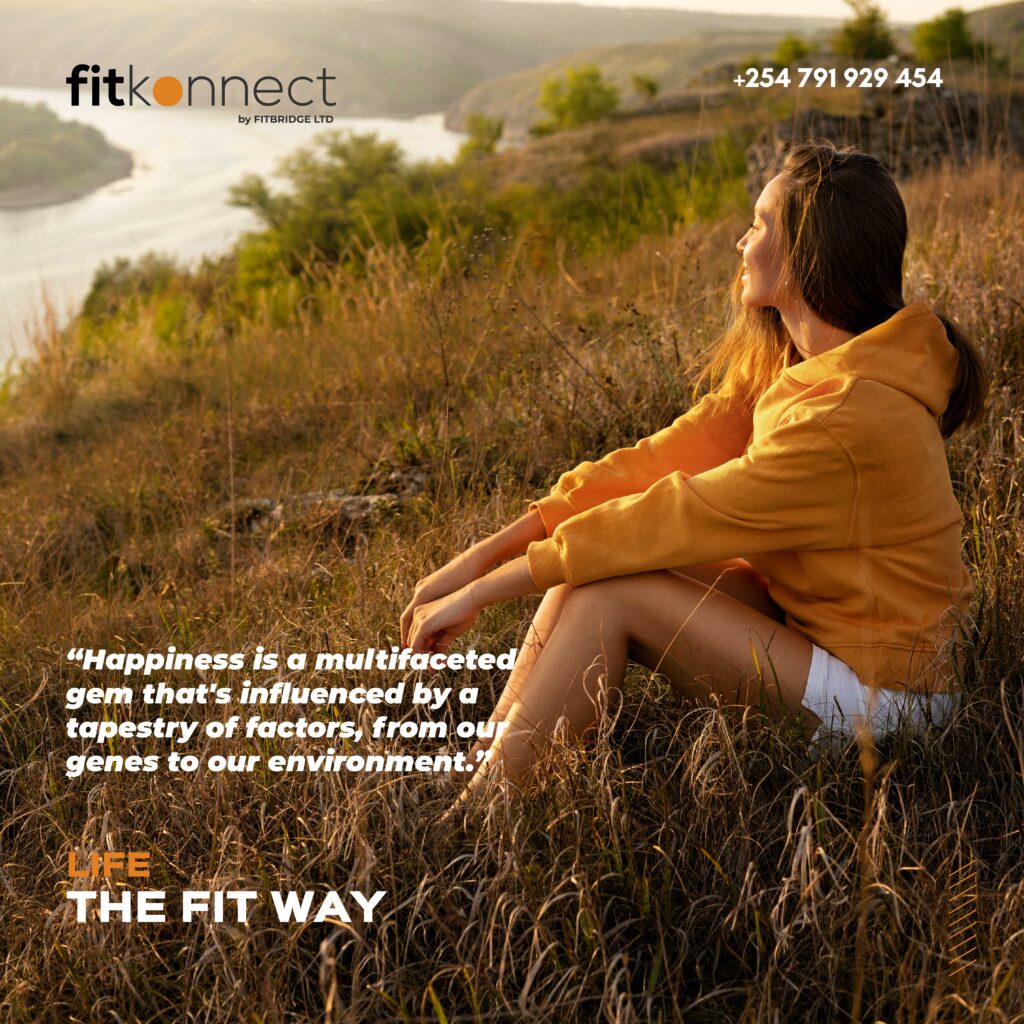
In understanding the dance of these happiness hormones, we uncover the secrets to maintaining mental and emotional health. Engaging in activities that trigger the release of these neurotransmitters is like nurturing the garden of our minds, fostering a positive outlook, and embracing the joys of life. Remember, happiness is a multifaceted gem that’s influenced by a tapestry of factors, from our genes to our environment, our social connections, and our personal experiences.
To cultivate a garden of happiness hormones, embrace regular exercise, practice mindfulness, prioritize time with loved ones, indulge in hobbies that light up your soul, and adopt a healthy lifestyle. By doing so, you’re not just chasing fleeting moments of joy—you’re nurturing a foundation for lasting well-being.
So, go on, chase those endorphins with a run in the park, bask in the glow of a compliment-induced dopamine surge, share a warm hug to unleash oxytocin’s magic, and find your bliss through the harmony of these incredible happiness hormones.
Remember, happiness is not just a state; it’s a science waiting to be explored within you.
Want more fun facts? Read more.
]]>The Versatility of Swimming
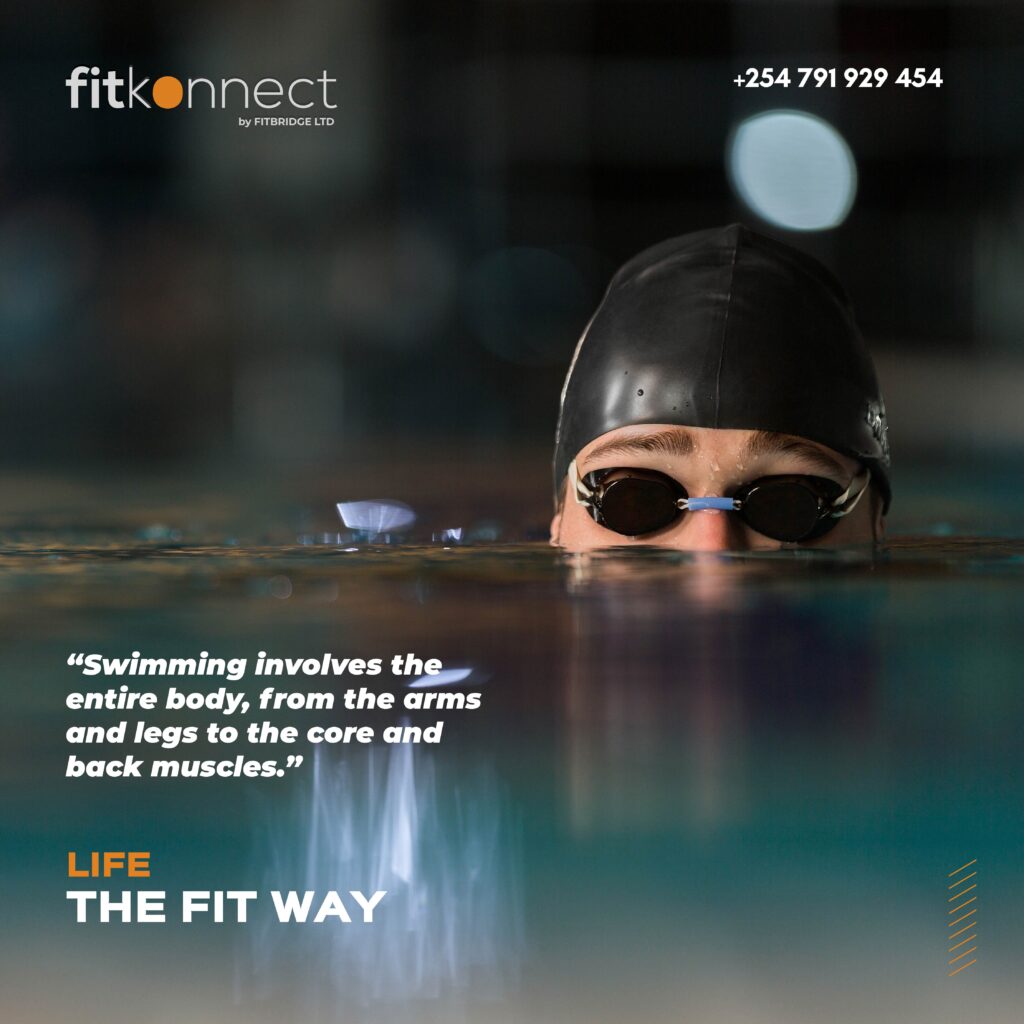
Swimming is a versatile form of exercise that engages various muscle groups simultaneously, providing a full-body workout. Unlike many other exercises that primarily target specific areas, swimming involves the entire body, from the arms and legs to the core and back muscles. The water’s resistance adds an extra challenge, making every stroke and kick a resistance-based exercise. This holistic approach to fitness makes swimming a powerful tool for improving overall strength, endurance, and cardiovascular health.
Cardiovascular Endurance
Swimming is a fantastic aerobic exercise that elevates the heart rate and improves cardiovascular fitness. The sustained movement of swimming increases lung capacity and strengthens the heart, leading to improved blood circulation and oxygen delivery throughout the body. Whether you’re performing laps in a pool or enjoying the rhythmic strokes in open water, swimming offers an effective way to enhance cardiovascular endurance, which is crucial for overall heart health. Some other studies have shown that swimming may help lower blood pressure and control blood sugar
With enhanced cardiovascular endurance, we can perform daily tasks with greater ease, enjoy increased energy levels, and reduce the risk of chronic diseases. It also aids in weight management, supports mental health, and contributes to a longer, healthier life.
Low-Impact and Joint-Friendly
One of the significant advantages of swimming is its low-impact nature. Being submerged in water reduces the impact on joints, making it an ideal exercise for individuals with arthritis, joint pain, or those recovering from injuries. The buoyancy of water supports the body’s weight, reducing stress on the joints while still providing an effective workout. As a result, swimming allows for a longer, more sustainable exercise routine without the risk of strain or injury.
Improved Flexibility and Muscle Tone
The continuous stretching and reaching motions involved in swimming promote flexibility and lengthen the muscles. This helps to improve overall flexibility and range of motion, making it beneficial for individuals seeking to enhance their mobility and joint function. Additionally, swimming builds and tones muscles throughout the body, from the shoulders and arms used for propulsion to the core muscles that stabilize and provide balance. This muscle engagement contributes to a leaner and more toned physique.
Mental and Emotional Benefits
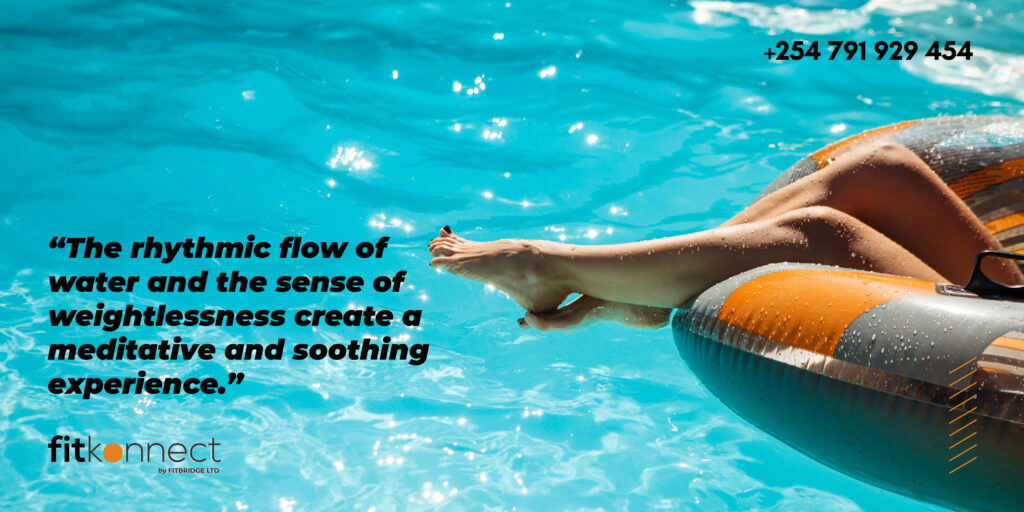
Beyond its physical advantages, swimming also offers numerous mental and emotional benefits. The rhythmic flow of water and the sense of weightlessness create a meditative and soothing experience, reducing stress and promoting relaxation. Many swimmers find that the repetitive motions and calming environment of the water have a positive impact on their mental well-being, providing a space to decompress and find solace in the present moment.

Swimming is an exceptional form of exercise that offers a comprehensive and well-rounded workout for both body and mind. Its versatility, low-impact nature, and cardiovascular benefits make it an ideal choice for individuals of all fitness levels. From improving endurance and toning muscles to promoting mental relaxation and emotional well-being, swimming encompasses a wealth of advantages that make it an effective and enjoyable workout.
To read more on fitness and wellness visit our page.
]]>Endurance (Cardiovascular) Exercise
Endurance exercise, also known as cardiovascular or cardio exercise, involves activities that get your heart pumping and increase your breathing rate. Running, cycling, swimming, and dancing are excellent examples of endurance exercises. Regular cardio workouts strengthen your heart and lungs, improve circulation, and boost overall stamina. Engaging in endurance exercise not only supports weight management but also reduces the risk of heart disease, hypertension, and diabetes.
Balance Exercise
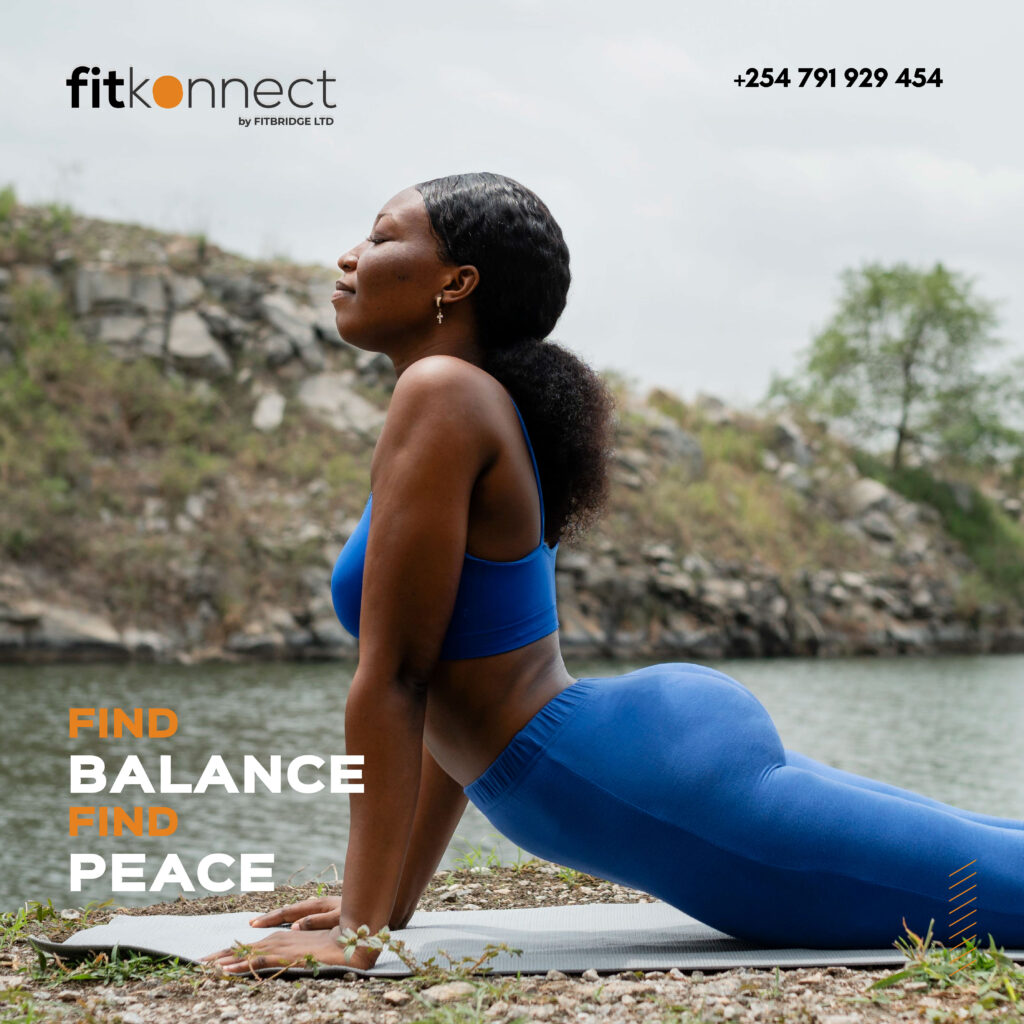
Balance exercises focus on enhancing stability, coordination, and proprioception (awareness of your body’s position in space). These exercises help prevent falls, improve posture, and increase body awareness. Examples of balance exercises include standing on one leg, yoga poses, and using a stability ball. Integrating balance exercises into your routine can enhance your athletic performance and daily activities, as well as reduce the risk of injuries.
Flexibility Exercise
Flexibility exercises are designed to stretch and lengthen muscles, increasing your range of motion and promoting joint health. Yoga, Pilates, and stretching routines are popular forms of flexibility exercises. Regular practice can alleviate muscle tightness, improve posture, and reduce muscle soreness. Flexibility is essential for injury prevention and helps maintain functional mobility as you age.
Strength Exercise
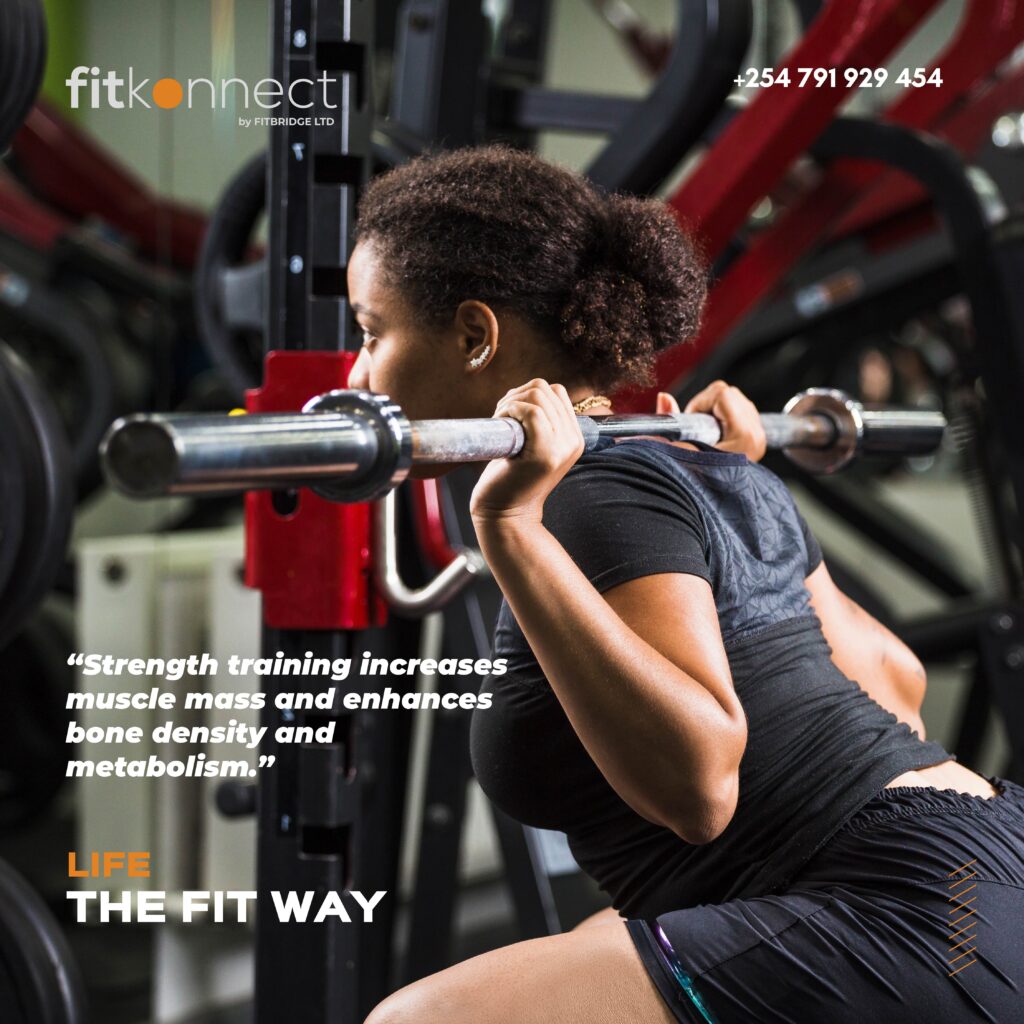
Strength exercises, also known as resistance or weight-bearing exercises, focus on building and toning muscles. Weightlifting, bodyweight exercises (e.g., push-ups, squats), and resistance band workouts fall under this category. Strength training not only increases muscle mass but also enhances bone density and metabolism. Building muscle is crucial for maintaining a strong and functional body, especially as you age.
Incorporating all four types of exercise into your fitness routine is key to a well-rounded approach that optimizes your health and performance. Each type offers unique benefits that contribute to your overall fitness and well-being. Now that we’ve explored an overview of the four types, our journey doesn’t end here. Stay tuned for a continuation of this exploration, where we’ll delve deeper into each type of exercise, providing you with actionable tips, exercise routines, and expert insights.
Join us for the next installment, where we’ll delve deeper into each type of exercise, providing you with actionable tips, exercise routines, and expert insights. Here’s one blog where we explore running and its benefits.
]]>