To prevent exercise-related injuries and ensure a safe and enjoyable exercise experience, it’s crucial to implement preventive measures and manage any injuries that do occur effectively.
Preventing Exercise-Related Injuries
- Warm Up and Cool Down: Always begin your workout with a thorough warm-up to prepare your muscles for activity and prevent injuries. Similarly, cool down after your workout to gradually bring your heart rate down and allow your muscles to recover.
- Proper Form and Technique: Maintaining proper form and technique is essential for preventing injuries. Seek guidance from a certified personal trainer or instructor to ensure you’re performing exercises correctly.
- Listen to Your Body: Pay attention to any pain or discomfort you experience during your workout. If something hurts, stop the activity and assess the situation. Pushing through pain can lead to further injury.
- Gradual Progression: Don’t rush into intense exercise routines. Gradually increase the intensity, duration, and frequency of your workouts to allow your body to adapt and reduce the risk of injury.
- Rest and Recovery: Adequate rest and recovery are crucial for muscle repair and growth. Schedule rest days into your routine and allow your body to recuperate before your next workout.
- Stay Hydrated: Proper hydration is essential for overall health and injury prevention. Drink plenty of water before, during, and after your workouts to maintain fluid balance and support muscle function.
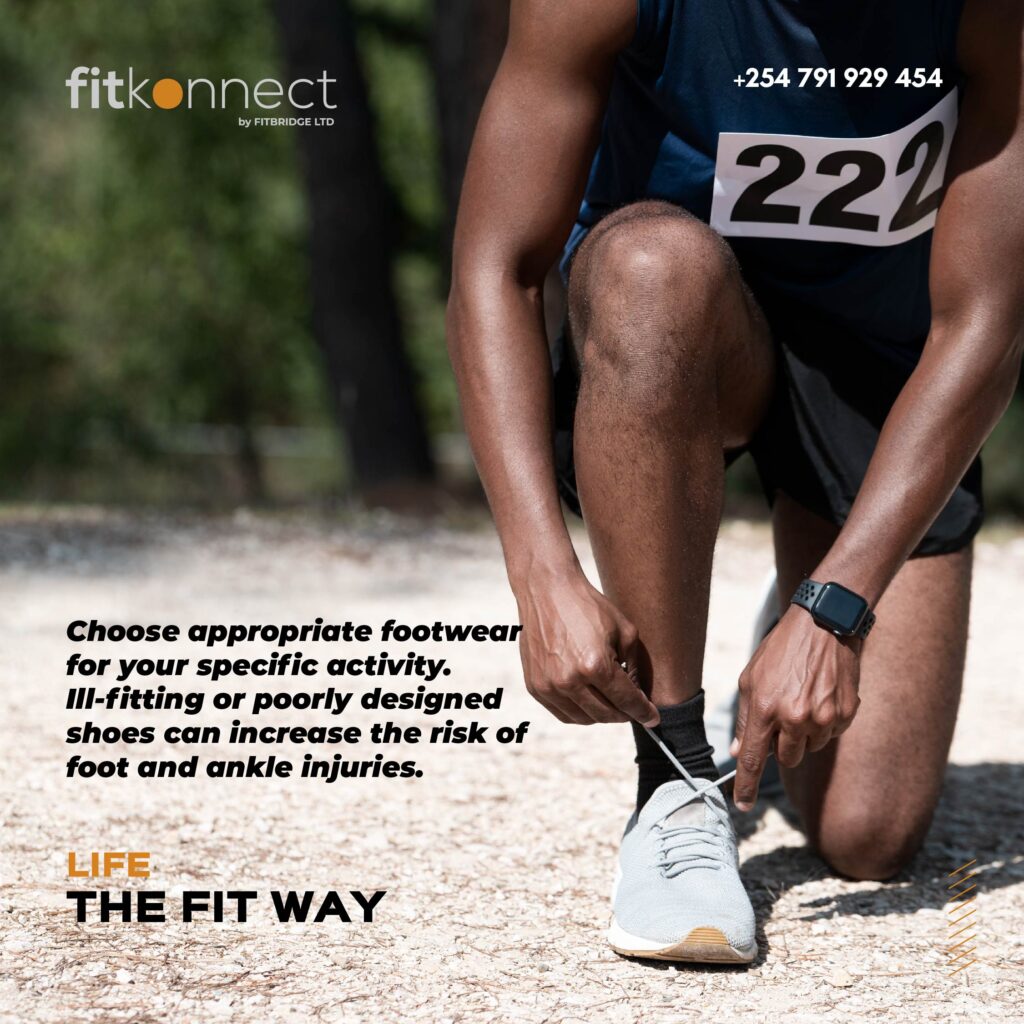
- Proper Footwear: Choose appropriate footwear for your specific activity. Ill-fitting or poorly designed shoes can increase the risk of foot and ankle injuries.
- Strengthening Exercises: Incorporate strengthening exercises into your routine to build muscle strength and support, reducing the likelihood of injuries.
Managing Exercise-Related Injuries
- Rest and Immobilization: If you experience an injury, rest is essential to allow healing. Immobilize the injured area if necessary to prevent further damage.
- Ice Therapy: Apply ice packs to the injured area to reduce inflammation and pain. Use ice for 15-20 minutes at a time, with breaks in between.
- Compression: Use compression bandages or wraps to support the injured area and reduce swelling.
- Elevation: Elevate the injured area above the level of your heart to promote fluid drainage and reduce swelling.
- Pain Management: Over-the-counter pain relievers such as acetaminophen or ibuprofen can help manage pain and inflammation. Always consult your doctor if pain persists or worsens.
- Seek Professional Advice: If the injury is severe or doesn’t improve with home care, consult a healthcare professional for proper diagnosis and treatment. They may recommend physical therapy, rehabilitation exercises, or other interventions.
Remember, prevention is always better than cure. By following these preventive measures and managing any injuries promptly and effectively, you can minimize the risk of exercise-related injuries and continue enjoying the benefits of physical activity.
Want to know how to prevent a side stitch? Check out this blog to find out the causes, treatment and prevention techniques.
References:
- American Academy of Orthopaedic Surgeons. (2023, August 15). Preventing Sports and Exercise Injuries. Retrieved from: https://orthoinfo.aaos.org/en/staying-healthy/sports-injury-prevention-for-baby-boomers/
- Mayo Clinic. (2023, July 11). Exercise injuries: First aid. Retrieved from: https://newsnetwork.mayoclinic.org/discussion/mayo-clinic-q-and-a-help-with-sports-injuries/
Focus on your streamline
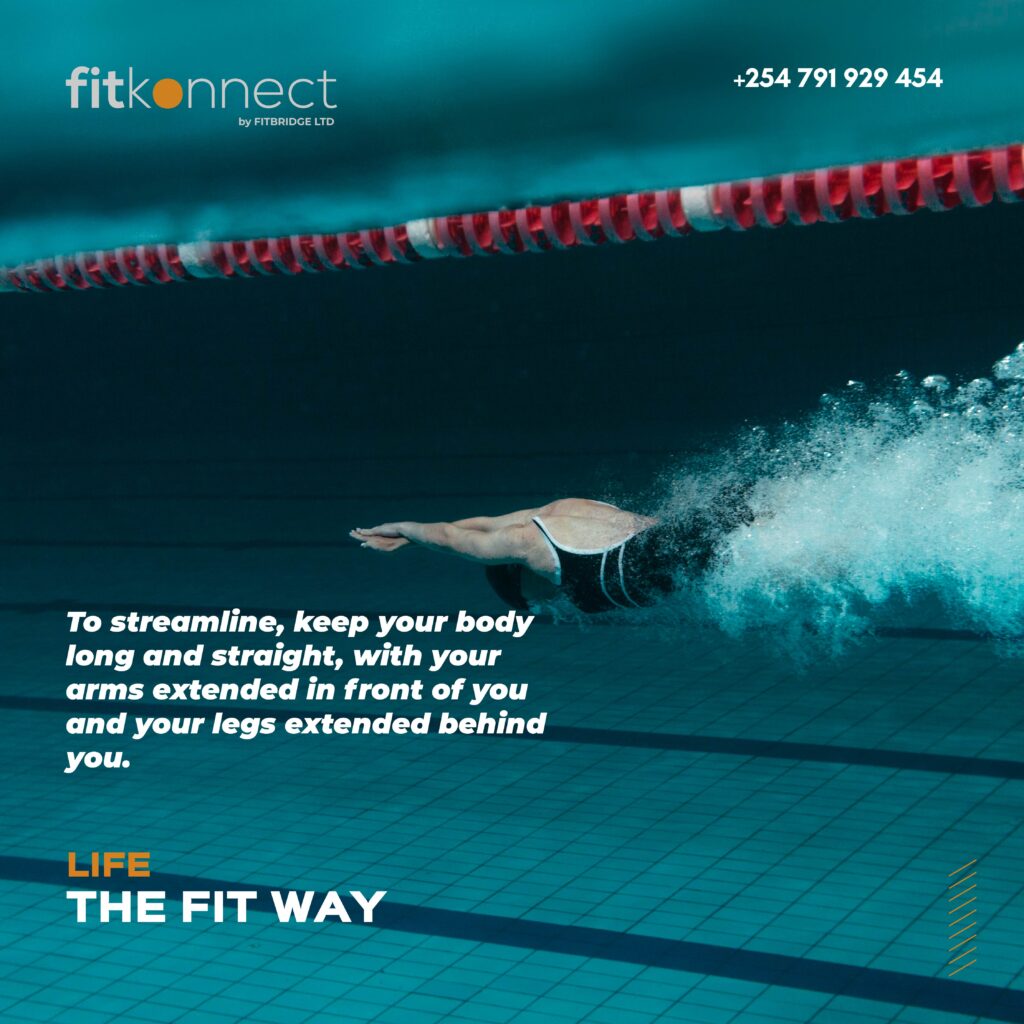
Your streamline is your body position in the water. It’s important to have a good streamline to reduce drag and swim faster. To streamline, keep your body long and straight, with your arms extended in front of you and your legs extended behind you.
Kick your legs efficiently
Your legs generate a lot of power when you swim, so it’s important to kick efficiently. To kick efficiently, keep your legs straight and kick from your hips. Avoid as much as possible bending your knees or kicking from your knees down. For a better illustration see this clip.
Proper Stroke
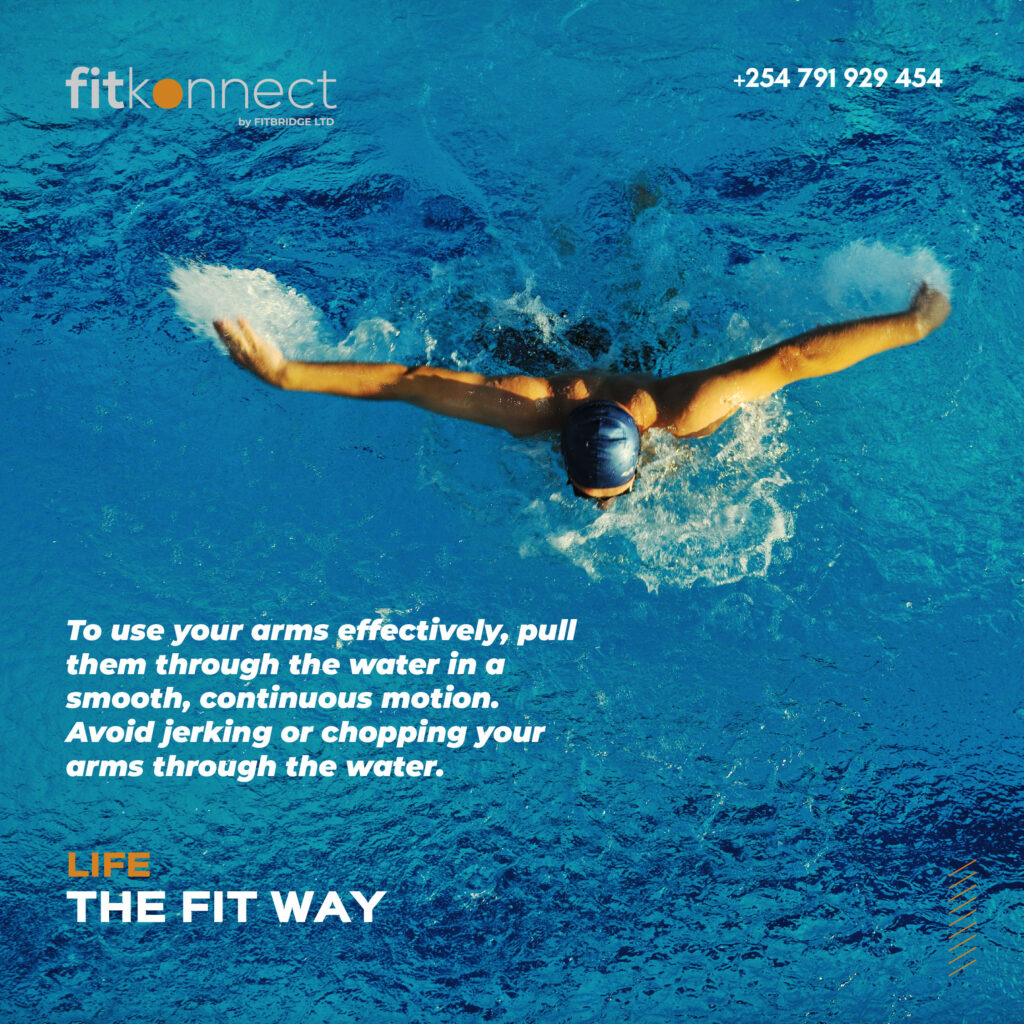
Use your arms efficiently to pull yourself through the water: Your arms also generate a lot of power when you swim. To use your arms effectively, pull them through the water in a smooth, continuous motion. Avoid jerking or chopping your arms through the water.
Breathe Properly
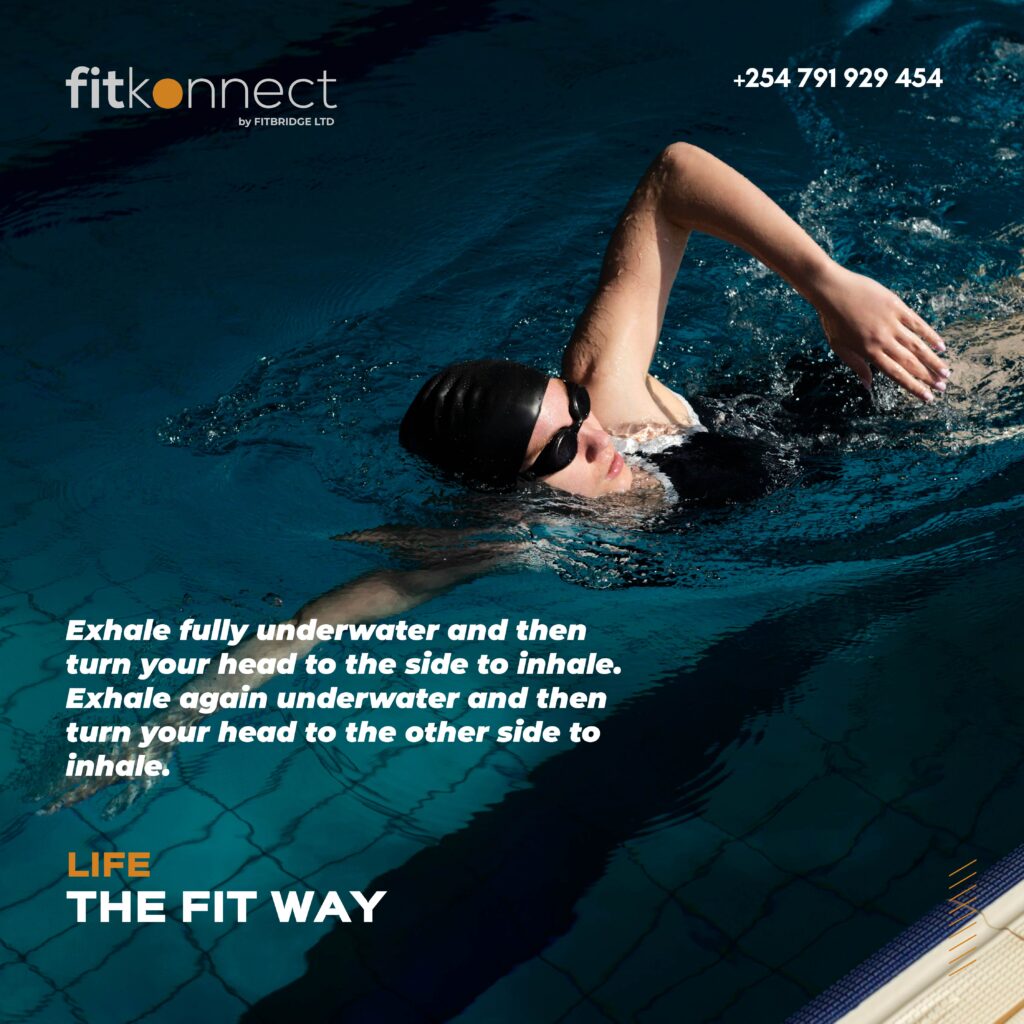
Breathing properly is essential for swimming faster. To breathe properly, exhale fully underwater and then turn your head to the side to inhale. Exhale again underwater and then turn your head to the other side to inhale. Repeat this cycle throughout your swim.
Practice Makes Perfect
Practice regularly: The more you practice swimming, the better you will become. Try to swim at least three times per week for 30 minutes each time.
Following these tips can help you to improve your swimming speed and technique. With regular practice, you will be swimming faster than ever in no time! Swimming is more than just a refreshing way to cool off on a hot day. It is a full-body workout that offers a myriad of health benefits. To read more on this see this blog.
]]>Think about it. Have you ever struggled to carry your groceries up a few flights of stairs? Or felt winded after a game of tag with your kids? That’s where functional fitness swoops in like a superhero, making everyday tasks feel like a breeze.
Why Functional Fitness Matters
Now, why should you care about functional fitness? Well, my friends, it’s all about quality of life. Functional fitness helps you move better, with less effort and discomfort, so you can fully enjoy everything life throws your way.
Imagine being able to bend down and tie your shoes without groaning in agony or playing a game of basketball with your buddies without feeling like you just ran a marathon. That’s the magic of functional fitness, and it’s accessible to everyone, regardless of your current fitness level.
Let’s Break a Sweat
So, how do you get started on this journey to a more functional you? Well, it’s time to roll up those sleeves and break a sweat with some functional fitness workouts. These exercises are designed to mimic the movements you do in your daily life, making you stronger and more agile when it counts.
1. Squat It Out: The humble squat is your best friend here. It mimics the motion of sitting down and standing up, something you do countless times every day. Start with bodyweight squats and gradually add weight for an extra challenge.
2. Plank for Core Power: Planks might look deceptively simple, but they are the ultimate core strengthener. A strong core means better posture and less back pain, especially if you spend long hours at a desk.
3. Lunge into Balance: Lunges are fantastic for improving balance and leg strength. They’re like a mini hurdle for your daily activities.
4. Push-Up for Upper Body Love: Push-ups aren’t just for showing off. They build upper body strength, which comes in handy when you need to push a heavy door or hoist your suitcase into your boot.
5. Deadlifts for Functional Strength: Don’t be intimidated by deadlifts; they’re all about lifting correctly. This skill can help prevent back injuries when you’re handling heavy objects or assisting a friend with their furniture-moving endeavours.
Embrace the Functional You
In a nutshell, functional fitness isn’t about complicated moves or following the latest fitness fad. It’s about training your body to make everyday life easier and more enjoyable.
Start small, stay consistent, and watch as your newfound strength and flexibility transform you into a functional being. Remember, it’s not just about how you look; it’s about how you feel and what you can do.
Conquer the world, one squat at a time! Your future self will thank you for it, and your everyday tasks will feel like a piece of cake.
In the quest for fitness, we often focus on exercise routines, nutrition plans, and lifestyle choices. Yet, there’s a silent, rejuvenating force that plays a crucial role in our journey toward peak performance and recovery: sleep. Understanding the intricate relationship between sleep and exercise unveils a powerful secret that can transform your fitness outcomes.
The Sleep-Exercise Connection: Fuelling Your Body’s Recovery
1. Physical Repair: While we slumber, our bodies are hard at work. During deep sleep stages, tissues and muscles are repaired and grown. Adequate sleep allows the body to heal microtears that occur during exercise, helping you build strength and endurance more effectively.
2. Hormonal Balance: Sleep is essential for maintaining hormonal balance, particularly those related to growth and stress. Growth hormone, crucial for muscle development, is released primarily during deep sleep. In contrast, chronic sleep deprivation can lead to an increase in the stress hormone cortisol, which can hinder muscle growth and recovery. For more on happiness hormones and their effects on our well-being read here.
3. Energy Restoration: Sleep serves as a recharge for your energy reserves. It replenishes glycogen stores, the body’s primary source of energy during physical activity. A well-rested body has more energy to fuel workouts and recover afterward.
Performance Enhancement: Unleashing Your Athletic Potential
1. Cognitive Function: Sleep is not just for the body; it’s for the mind. A well-rested brain is more focused, alert, and capable of making quick decisions. This can translate to improved coordination, agility, and overall sports performance.
2. Endurance and Strength: Quality sleep enhances your ability to push through physical challenges. Athletes often report improved endurance and strength after prioritizing sleep in their training routines.
3. Reduced Injury Risk: Fatigue from sleep deprivation can lead to poor form and an increased risk of injuries. Sleep supports better body awareness and coordination, reducing the likelihood of workout-related accidents.
Optimal Recovery: The Nighttime Repair Crew
1. Inflammation Control: Sleep helps regulate the body’s inflammatory responses. This is crucial because intense exercise can induce inflammation. Adequate sleep ensures your body can manage this inflammation effectively, reducing post-workout soreness.
2. Muscle Recovery: Protein synthesis, the process that repairs and builds muscle, is elevated during deep sleep. This means that those hours of shut-eye are when your body is hard at work repairing and strengthening the muscles you’ve targeted during your workouts.
3. Psychological Recovery: Sleep is not just physical; it’s psychological too. It aids in stress reduction and emotional stability. A well-rested mind can handle the mental challenges of training, leading to better adherence and motivation.
Sleep Hygiene for Fitness Enthusiasts
1. Consistent Schedule: Go to bed and wake up at the same time every day, even on weekends. Consistency helps regulate your body’s internal clock.
2. Optimal Environment: Create a sleep-conducive environment. This includes a comfortable mattress and pillows, as well as a dark, cool room.
3. Limit Stimulants: Avoid caffeine and nicotine close to bedtime. These substances can interfere with sleep.
4. Limit Screen Time: The blue light emitted by phones, tablets, and computers can disrupt sleep patterns. Aim to reduce screen time at least an hour before bed. If you need to use your phone before bedtime consider turning on eye comfort mode or using blue light filters.
5. Relaxation Techniques: Develop a pre-sleep relaxation routine. This can include practices like meditation, deep breathing, or gentle stretching.
6. Moderate Evening Meals: Large meals and spicy foods can cause discomfort and disrupt sleep. Aim to finish eating at least two to three hours before bedtime.
Take away
Sleep is not a passive activity but an active process of restoration and rejuvenation, especially for those on a fitness journey. Prioritizing sleep can enhance physical performance, accelerate recovery, and elevate overall well-being. It’s the secret ingredient that can take your fitness results to the next level. So, let’s put sleep at the forefront of our fitness routines and unlock the full potential of our bodies and minds. 

 #SleepAndExercise #FitnessRecovery #PeakPerformance
The Versatility of Swimming
Swimming is a versatile form of exercise that engages various muscle groups simultaneously, providing a full-body workout. Unlike many other exercises that primarily target specific areas, swimming involves the entire body, from the arms and legs to the core and back muscles. The water’s resistance adds an extra challenge, making every stroke and kick a resistance-based exercise. This holistic approach to fitness makes swimming a powerful tool for improving overall strength, endurance, and cardiovascular health.
Cardiovascular Endurance
Swimming is a fantastic aerobic exercise that elevates the heart rate and improves cardiovascular fitness. The sustained movement of swimming increases lung capacity and strengthens the heart, leading to improved blood circulation and oxygen delivery throughout the body. Whether you’re performing laps in a pool or enjoying the rhythmic strokes in open water, swimming offers an effective way to enhance cardiovascular endurance, which is crucial for overall heart health. Some other studies have shown that swimming may help lower blood pressure and control blood sugar
With enhanced cardiovascular endurance, we can perform daily tasks with greater ease, enjoy increased energy levels, and reduce the risk of chronic diseases. It also aids in weight management, supports mental health, and contributes to a longer, healthier life.
Low-Impact and Joint-Friendly
One of the significant advantages of swimming is its low-impact nature. Being submerged in water reduces the impact on joints, making it an ideal exercise for individuals with arthritis, joint pain, or those recovering from injuries. The buoyancy of water supports the body’s weight, reducing stress on the joints while still providing an effective workout. As a result, swimming allows for a longer, more sustainable exercise routine without the risk of strain or injury.
Improved Flexibility and Muscle Tone
The continuous stretching and reaching motions involved in swimming promote flexibility and lengthen the muscles. This helps to improve overall flexibility and range of motion, making it beneficial for individuals seeking to enhance their mobility and joint function. Additionally, swimming builds and tones muscles throughout the body, from the shoulders and arms used for propulsion to the core muscles that stabilize and provide balance. This muscle engagement contributes to a leaner and more toned physique.
Mental and Emotional Benefits
Beyond its physical advantages, swimming also offers numerous mental and emotional benefits. The rhythmic flow of water and the sense of weightlessness create a meditative and soothing experience, reducing stress and promoting relaxation. Many swimmers find that the repetitive motions and calming environment of the water have a positive impact on their mental well-being, providing a space to decompress and find solace in the present moment.

Swimming is an exceptional form of exercise that offers a comprehensive and well-rounded workout for both body and mind. Its versatility, low-impact nature, and cardiovascular benefits make it an ideal choice for individuals of all fitness levels. From improving endurance and toning muscles to promoting mental relaxation and emotional well-being, swimming encompasses a wealth of advantages that make it an effective and enjoyable workout.
To read more on fitness and wellness visit our page.
]]>Endurance (Cardiovascular) Exercise
Endurance exercise, also known as cardiovascular or cardio exercise, involves activities that get your heart pumping and increase your breathing rate. Running, cycling, swimming, and dancing are excellent examples of endurance exercises. Regular cardio workouts strengthen your heart and lungs, improve circulation, and boost overall stamina. Engaging in endurance exercise not only supports weight management but also reduces the risk of heart disease, hypertension, and diabetes.
Balance Exercise
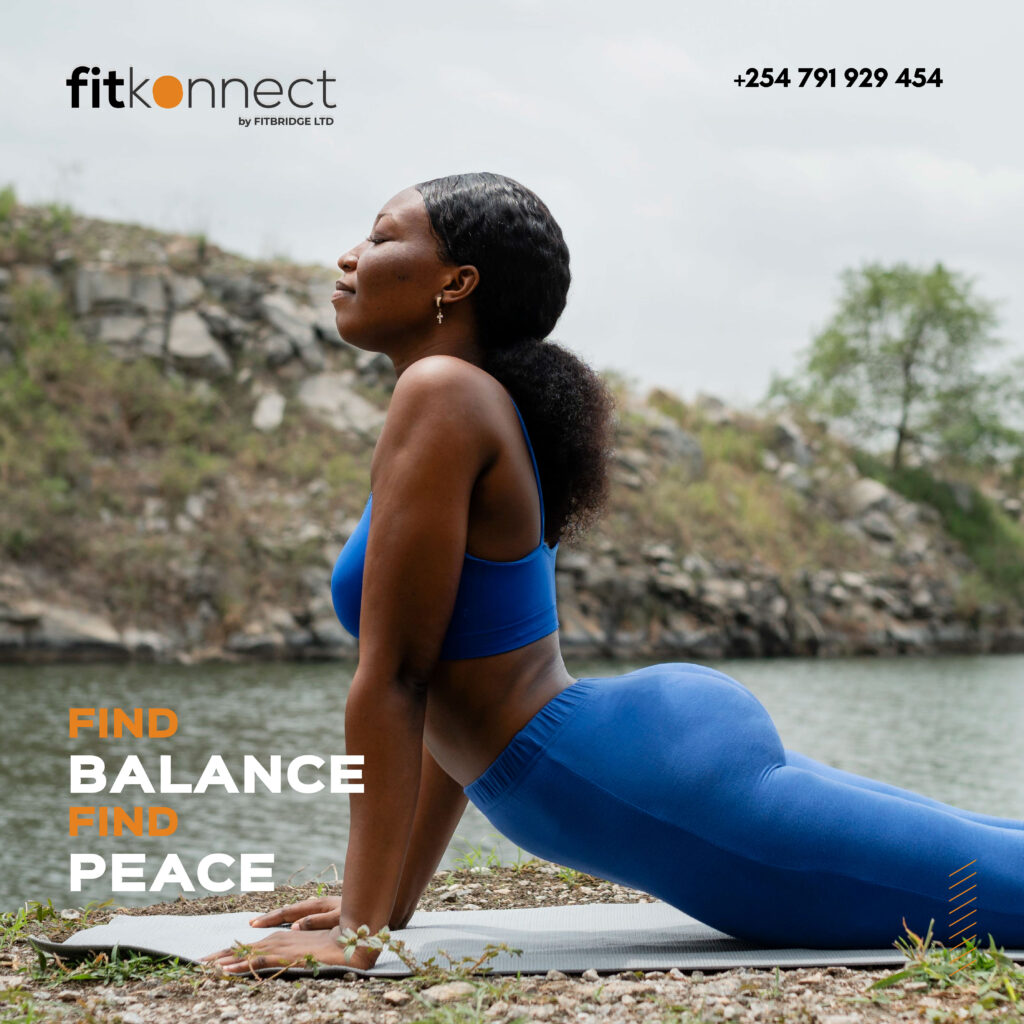
Balance exercises focus on enhancing stability, coordination, and proprioception (awareness of your body’s position in space). These exercises help prevent falls, improve posture, and increase body awareness. Examples of balance exercises include standing on one leg, yoga poses, and using a stability ball. Integrating balance exercises into your routine can enhance your athletic performance and daily activities, as well as reduce the risk of injuries.
Flexibility Exercise
Flexibility exercises are designed to stretch and lengthen muscles, increasing your range of motion and promoting joint health. Yoga, Pilates, and stretching routines are popular forms of flexibility exercises. Regular practice can alleviate muscle tightness, improve posture, and reduce muscle soreness. Flexibility is essential for injury prevention and helps maintain functional mobility as you age.
Strength Exercise
Strength exercises, also known as resistance or weight-bearing exercises, focus on building and toning muscles. Weightlifting, bodyweight exercises (e.g., push-ups, squats), and resistance band workouts fall under this category. Strength training not only increases muscle mass but also enhances bone density and metabolism. Building muscle is crucial for maintaining a strong and functional body, especially as you age.
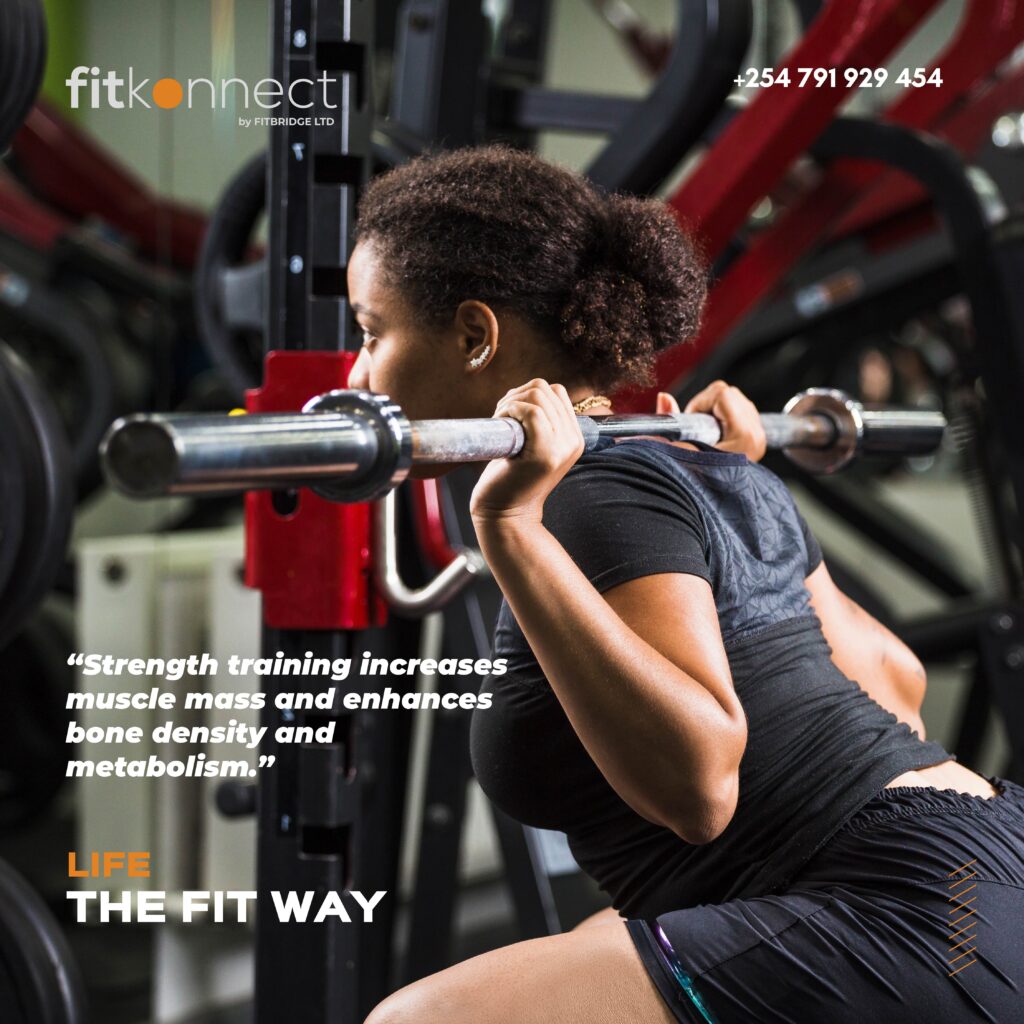
Incorporating all four types of exercise into your fitness routine is key to a well-rounded approach that optimizes your health and performance. Each type offers unique benefits that contribute to your overall fitness and well-being. Now that we’ve explored an overview of the four types, our journey doesn’t end here. Stay tuned for a continuation of this exploration, where we’ll delve deeper into each type of exercise, providing you with actionable tips, exercise routines, and expert insights.
Join us for the next installment, where we’ll delve deeper into each type of exercise, providing you with actionable tips, exercise routines, and expert insights. Here’s one blog where we explore running and its benefits.
]]>When it comes to fitness, having the right workout gear can make all the difference. At FitKonnect, we believe that your fitness gear should not only look good but also serve a purpose and enhance your performance. In this blog, we’re thrilled to introduce our exclusive fitness apparel and merchandise line designed to suit your fitness journey and normal work days. From activewear that maximizes comfort and flexibility to trendy accessories that inspire motivation, our FitKonnect merch empowers you to a healthier and more active lifestyle.
FitKonnect Ergo-Water bottle
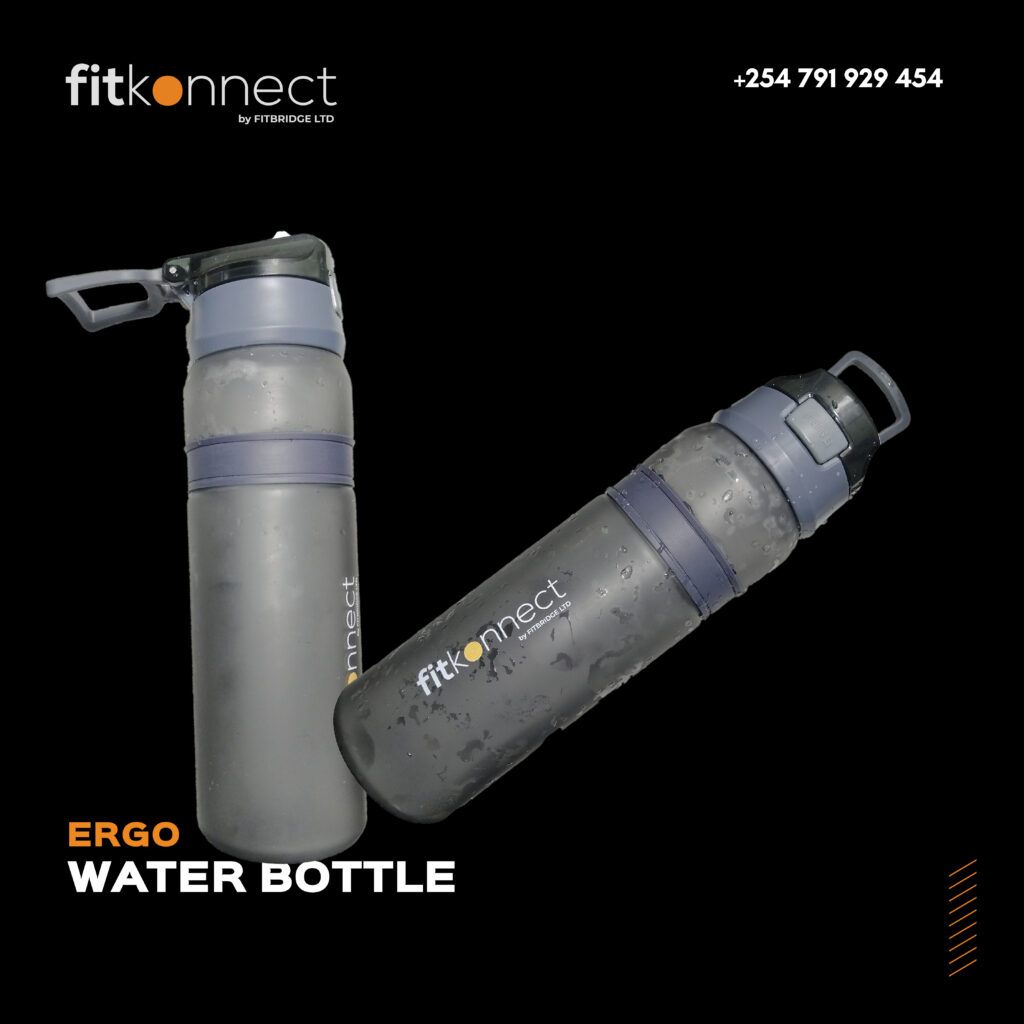
Introducing the FitKonnect one-handed water bottle – the ultimate ergonomic companion for your active lifestyle. This sleek and practical plastic water bottle features a convenient one-handed opening mechanism, allowing you to stay hydrated on the go or at work without a hiccup. The airtight lock ensures leak-free performance even on your workstation. The translucent body with a frost finish lets you keep track of your water intake. Available in a range of vibrant colours – red, yellow, orange, black, grey, blue, and clear – you can choose the one that perfectly matches your style. With a generous 500ml capacity and a rubber ring for a secure grip, this water bottle is functional and comfortable to hold during workouts or daily adventures. Stay hydrated and conquer your fitness goals with the FitKonnect Ergo-Water Bottle.
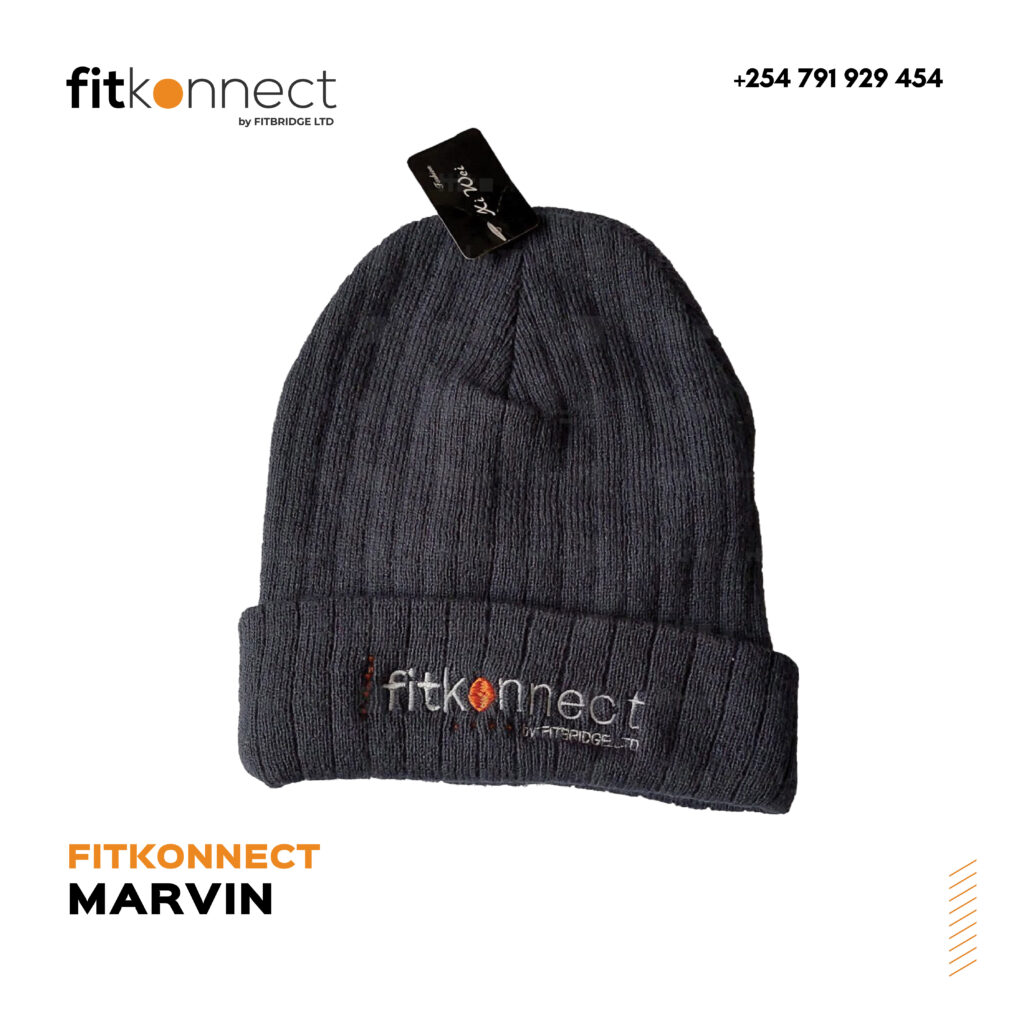
FitKonnect Marvin
Meet the FitKonnect Marvin, a versatile and stylish beanie perfect for early morning runs, commutes, gym sessions, and hikes. Made from breathable, thick wool, it provides optimal insulation while remaining non-itchy and sweat-absorbent. With the minimalist signature FitKonnect embroidery, this beanie complements any outfit and exudes subtle style. Stay warm, cozy, and comfortable in classic shades of grey, black, and white, and add a touch of fashion to your active lifestyle with the Marvin. Enhance your cold-weather wardrobe with this ultimate blend of fashion and functionality.
Football Jerseys
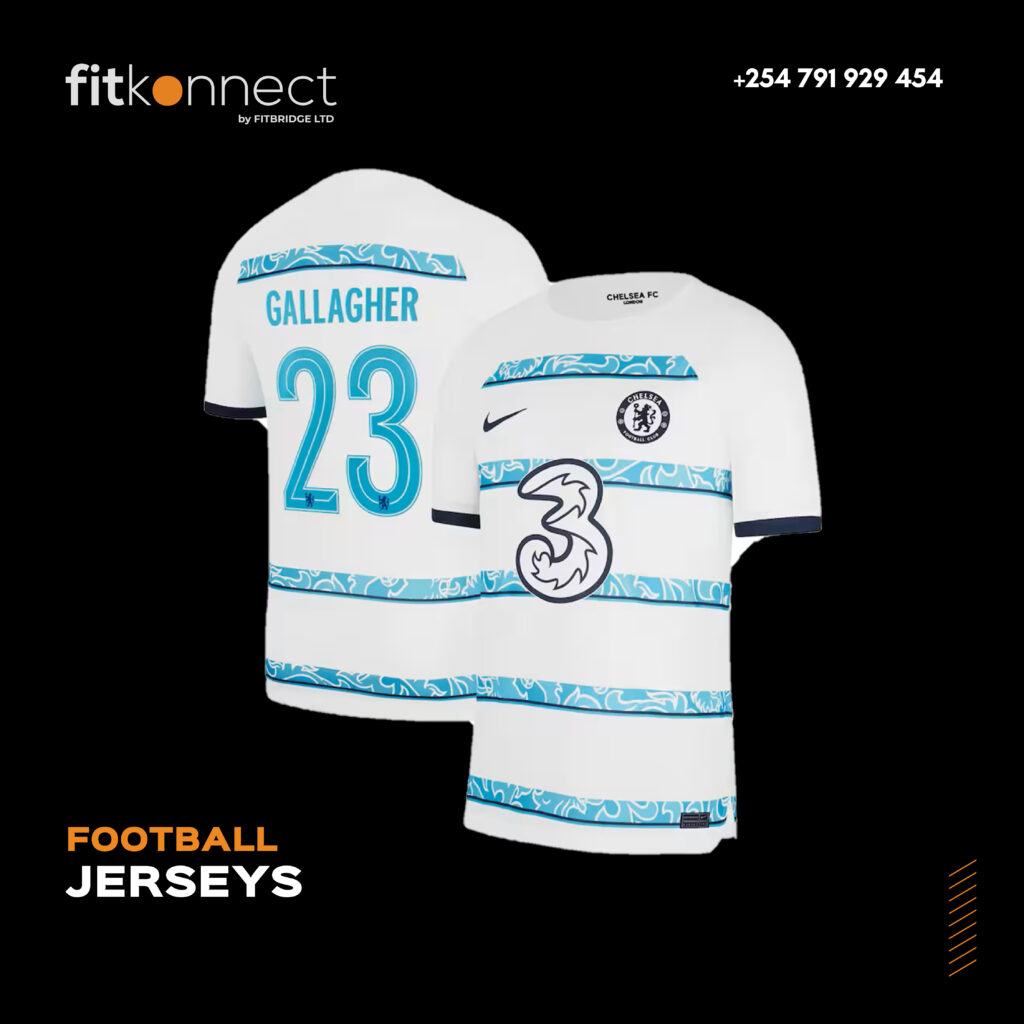
Showcase your football passion with high-quality football jerseys. Whether you’re a devoted fan of star clubs or players, our jerseys showcase your pride and style. Perfect for game days and weekend wear, these jerseys are designed to endure the intensity of the sport while keeping you comfortable. Celebrate your football fandom like never before. Order your jersey today to cheer on your favourite teams and players with unwavering enthusiasm. Grab your jersey. Let FitKonnect be your ultimate destination for football fan gear and activewear that exudes your love for the game.
Embrace the FitKonnect lifestyle and be a part of our thriving fitness community. Don’t miss out on these exceptional products; visit our shop now to place your order.
]]>
Unveiling Your True Purpose
Your why is more than just a goal—it reflects your core values and aspirations for a healthier life. Take a moment to delve into why you embarked on your fitness journey. Is it to improve your overall well-being, boost your confidence, or be a positive role model for your loved ones? By uncovering your true objectives, you gain a powerful source of motivation that will sustain you through every step of your fitness journey.
Aligning with Your Passion for Health
Your cause is deeply intertwined with your passion for health and well-being. Embrace the activities and exercises that ignite your enthusiasm and make you feel alive. Whether it’s dancing, running, strength training, or yoga, when you align with your passions, you infuse your fitness routine with excitement and joy. These activities become more than just workouts; they become powerful tools for personal growth and empowerment.
Conquering Fitness Challenges
No fitness journey is without its hurdles, but knowing why you embarked on it provides the strength to face and conquer these challenges head-on. Connecting to your deeper purpose makes you more resilient and determined to push through obstacles. Your objective reminds you of the positive changes you seek and the healthier version of yourself you are working towards. With your purpose at the forefront, you can overcome plateaus, setbacks, and doubts that may arise along the way.
Reviving Your Fitness Spirit
In moments of fatigue and self-doubt, your “Why?” becomes the driving force that revives your spirit. It rekindles your passion and reignites your motivation, especially when external sources are insufficient. It reminds you that your health is a priority, and each workout contributes to your desired well-being and vitality. It becomes your last and most compelling motivation, inspiring you to show up, work hard, and be consistent on your fitness journey.
Unearthing your fitness “Why?” is a transformative and empowering experience that sustains you on your wellness journey. It is the heartbeat of your motivation, the essence of your passion for health, and the driving force behind your commitment to a fitter and healthier lifestyle. Discovering your real cause connects you to the bigger picture of your well-being, reminding you of your positive impact on your life and those around you. So, take the time to explore your true purpose and passions, and let your objectives become the compass that leads you to success, fulfilment, and vibrant fitness life. Embrace this powerful source of motivation, and let it guide you to achieve your fitness goals and embrace a healthier and more empowered you.
]]>